How Long Does Paint Protection Film Last in Arizona Heat?

Most PPF articles will tell you paint protection film lasts 5–10 years.

That might be true… just not in Arizona.

Between 110° summers, intense UV exposure, and daily driving conditions, PPF here gets tested harder than almost anywhere in the country.


High-quality PPF typically lasts 7–10 years, but in Arizona heat, real-world lifespan depends heavily on film quality, installation, sun exposure, and how the vehicle is stored and maintained.

Lower-quality films can start showing failure signs in as little as 2–5 years in extreme conditions.


At Clear Cut Glass & Tint, we install premium films like XPEL, CARLAS, & others designed to handle extreme heat, but even the best film has limits if it’s not installed or maintained correctly.
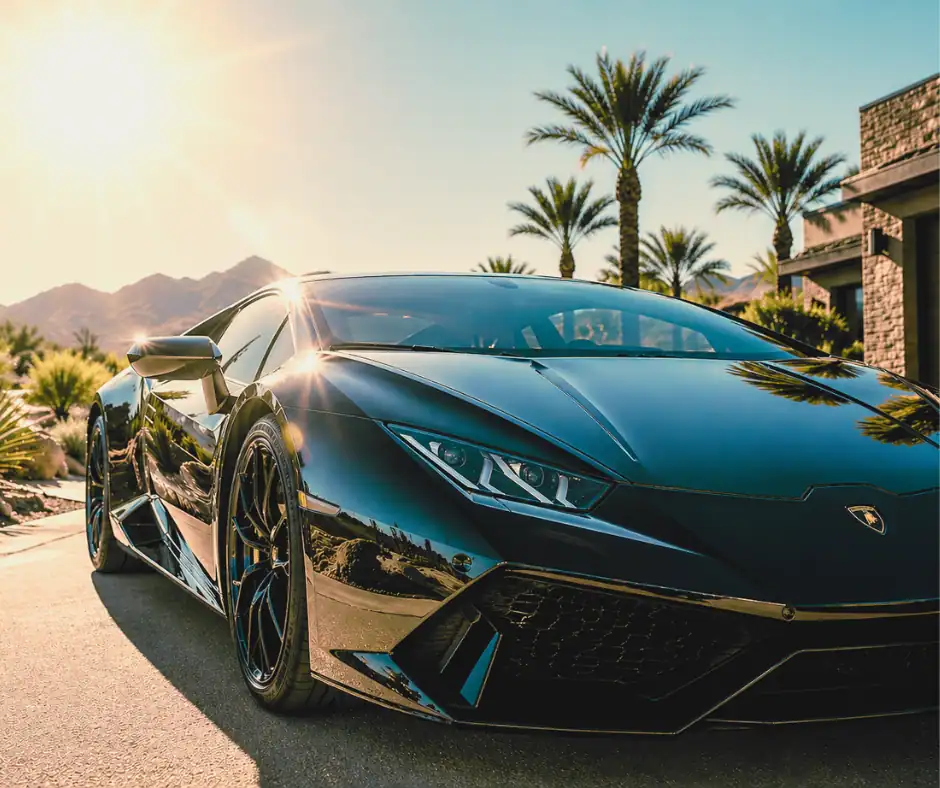
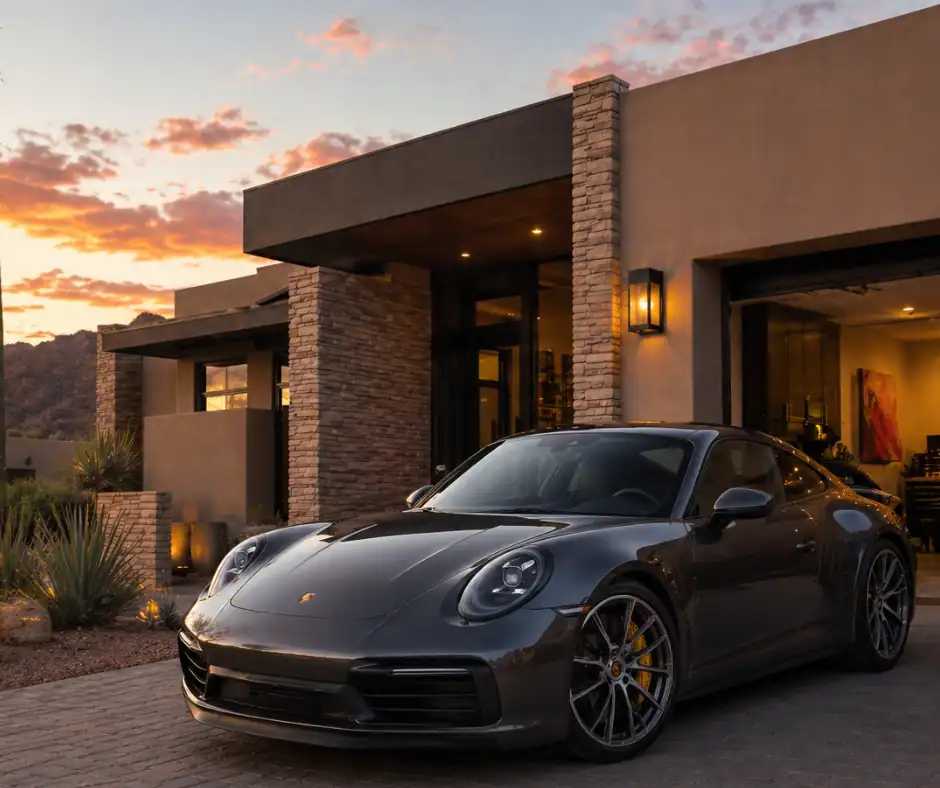
Luxury car in Arizona sun showing extreme heat exposure conditions that affect paint protection film lifespan

What Actually Affects How Long PPF Lasts in Arizona

Not all PPF fails the same way—and in Arizona, the difference comes down to a few key factors most people never think about until it’s too late.
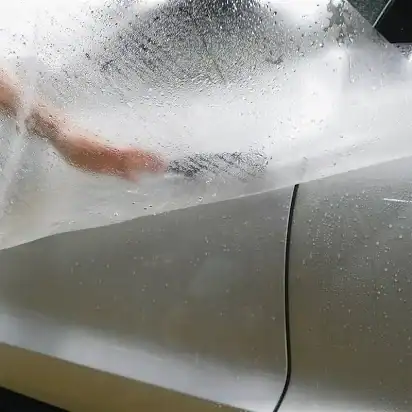
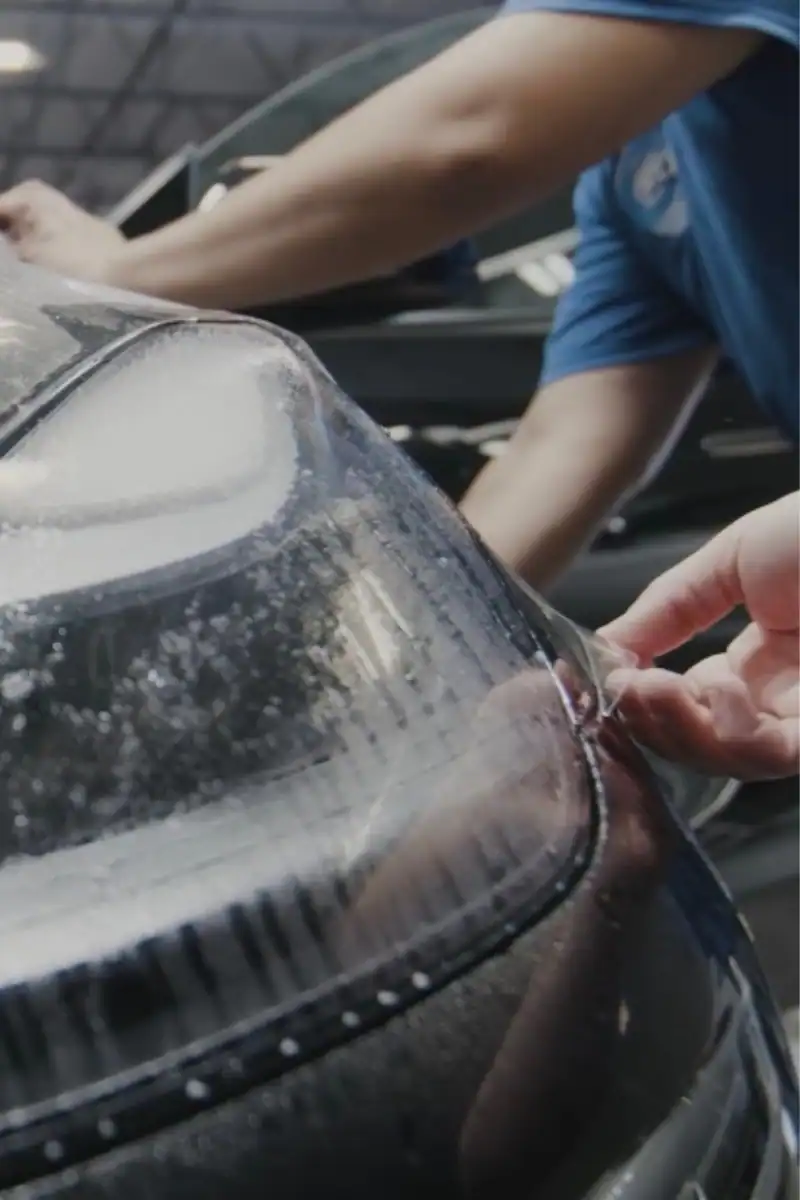
Cheap film doesn’t just fail faster—it fails visibly.
Low-quality paint protection film from Temu being applied to a car showing poor clarity, moisture trapping, and installation issues

Film Quality Matters More Than Most People Realize


Not all paint protection film is built for extreme heat. Lower-quality films tend to break down faster under constant UV exposure, leading to yellowing, cracking, or loss of clarity.

Premium films—like those from brands such as XPEL, CARLAS, among others—are engineered with UV inhibitors and more durable top coats designed to handle long-term sun exposure.


A bad install in Arizona doesn’t take years to fail—it can start within months.
Technician installing paint protection film on a vehicle at Clear Cut Glass and Tint in Glendale Arizona, showing the detailed PPF application process.

Installation Quality Can Make or Break a Lifespan


Even the best film won’t last if it’s installed poorly. Improper edge sealing, contamination during install, or stretching the film too aggressively can lead to early lifting, peeling, or bubbling—especially under Arizona heat.


Arizona sun doesn’t just age PPF—it accelerates every weakness.
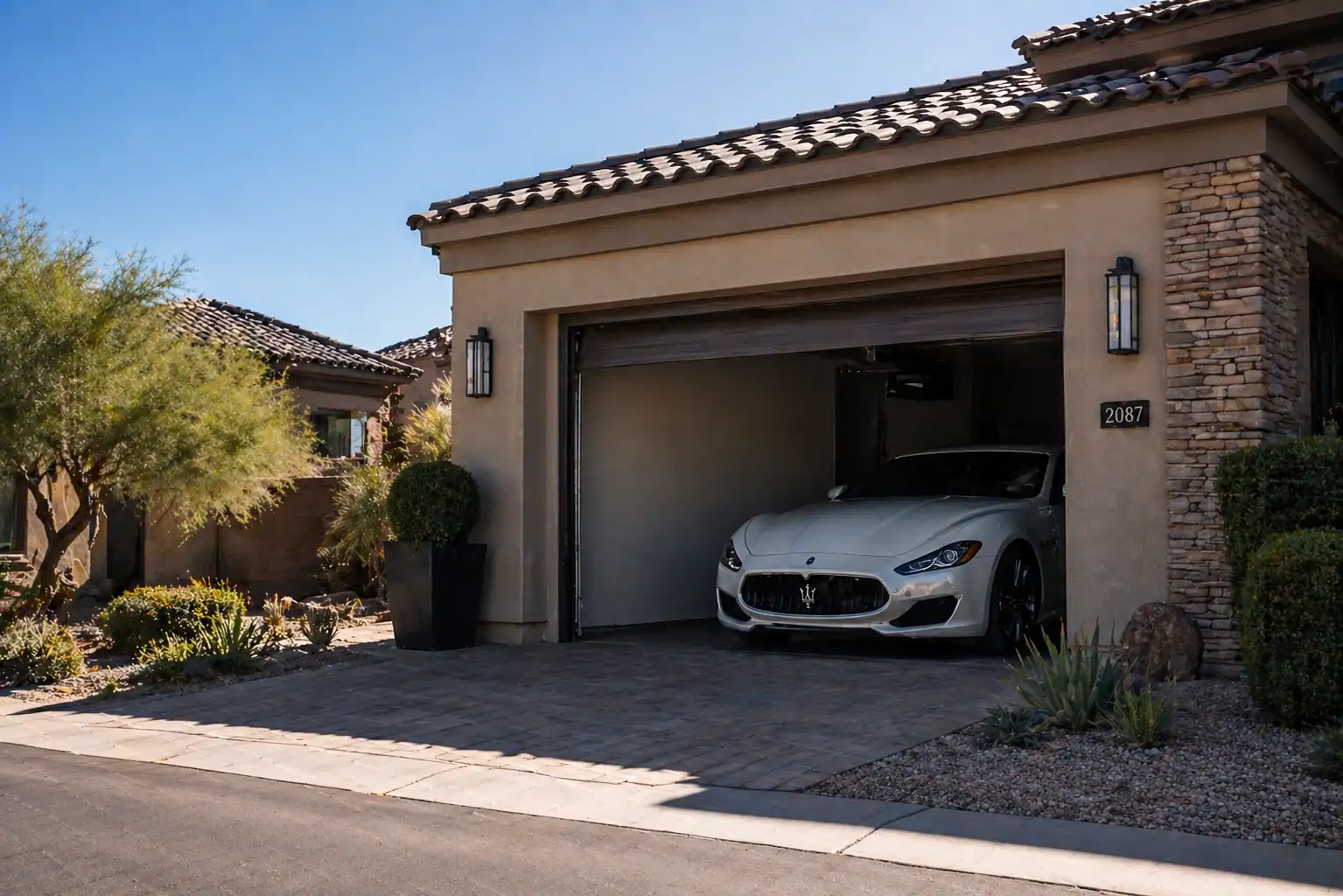
Luxury Porsche 911 parked outside an Arizona home with an open garage, showing exposure conditions that affect PPF lifespan

Sun Exposure & Parking Habits


A garage-kept vehicle will always outperform one that sits outside all day. Constant exposure to direct sunlight accelerates wear on the film’s top coat and adhesive layer, especially during peak summer months.


Neglect shortens lifespan—no matter how good the film is.
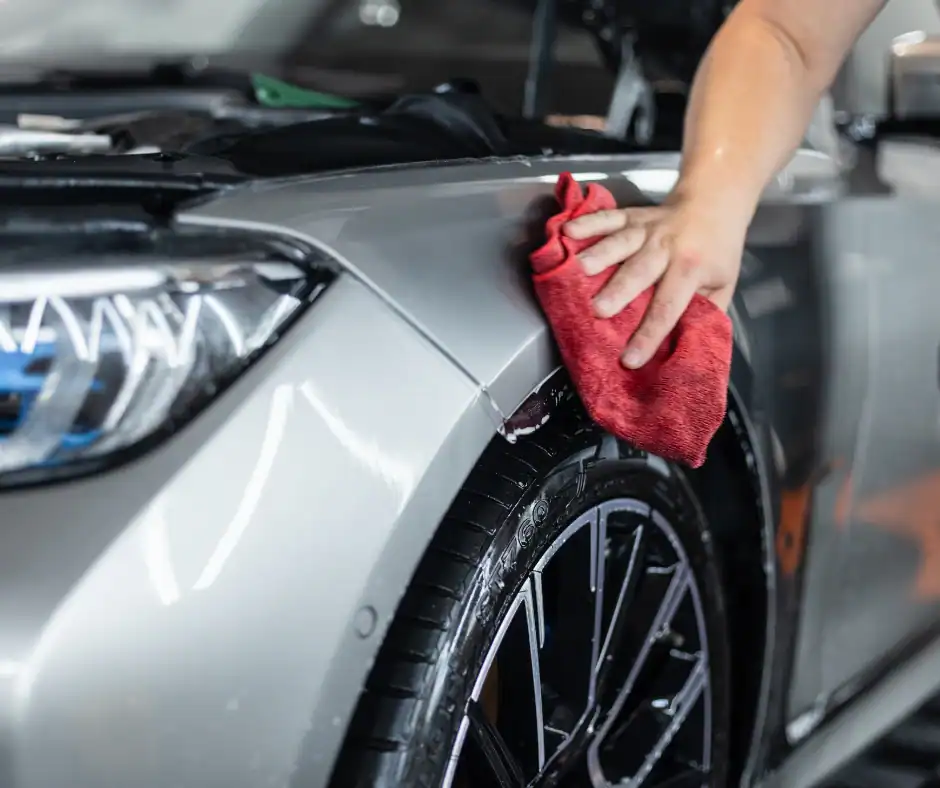
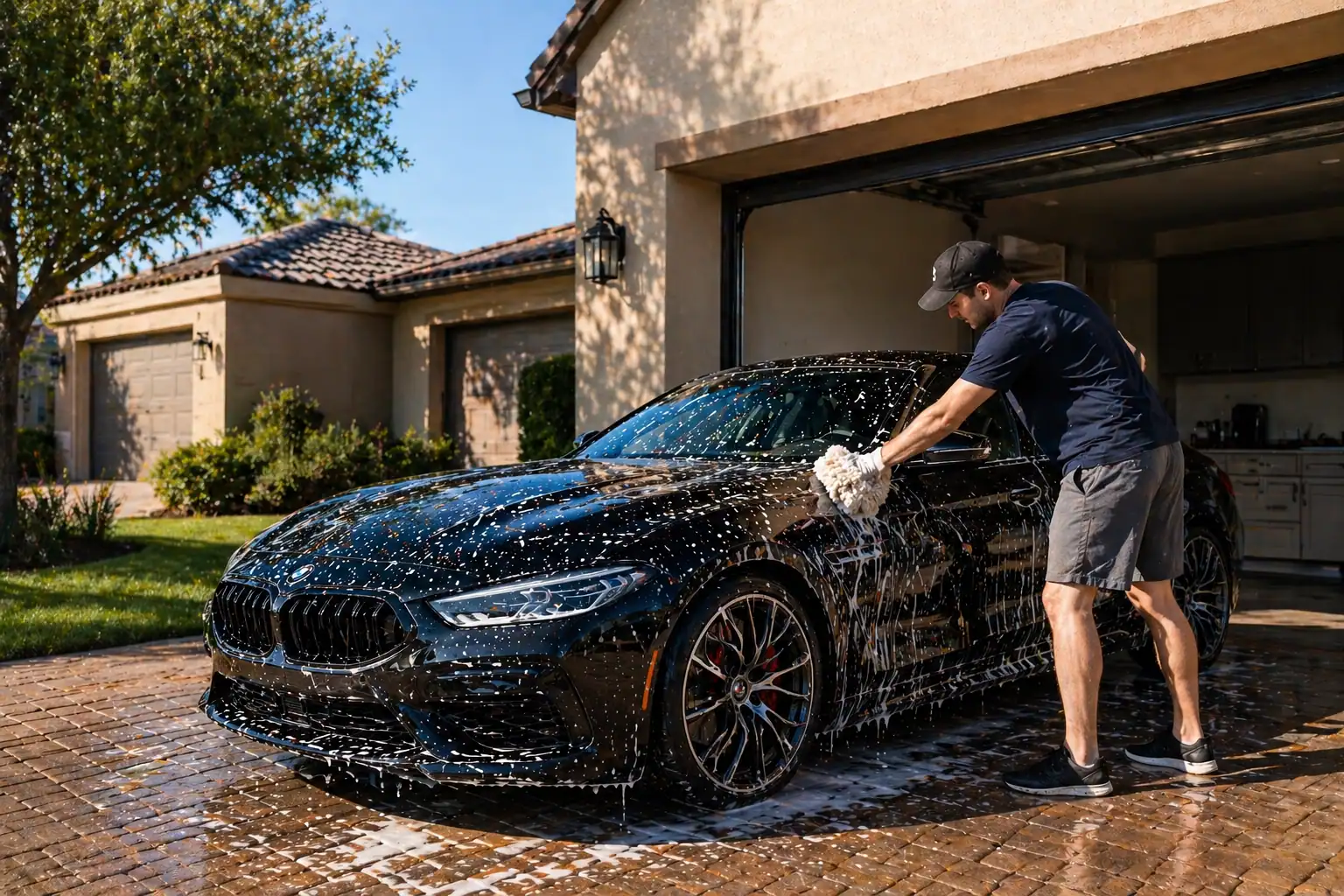
Hand cleaning a car with a microfiber cloth showing proper maintenance to extend paint protection film lifespan

Maintenance (Or Lack of It)


PPF isn’t completely “set it and forget it.” Regular washing, avoiding harsh chemicals, and proper care all play a role in how long it maintains its clarity and protection.


Tesla paint protection in Arizona requires special consideration due to heat and exposure.
👉 Read our Tesla-specific PPF guide.


Different PPF finishes can vary in appearance, but film quality and installation matter more than the finish itself.
👉 Learn the differences between clear, matte, and colored PPF.

 What Happens When PPF Starts to Fail

PPF doesn’t fail overnight—it shows warning signs first.

The problem is, most people don’t recognize those signs until the damage is already done.
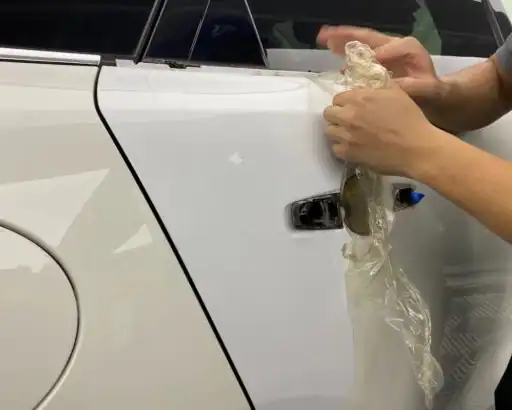
If your PPF is changing color, it’s already breaking down.
Removing yellowing paint protection film from a white car showing discoloration caused by sun exposure in Arizona

⚠️

Yellowing or Discoloration

EARLY SIGN


One of the first signs of lower-quality or aging film is a slight yellow tint—especially noticeable on white or light-colored vehicles.

This happens when UV exposure breaks down the film over time.

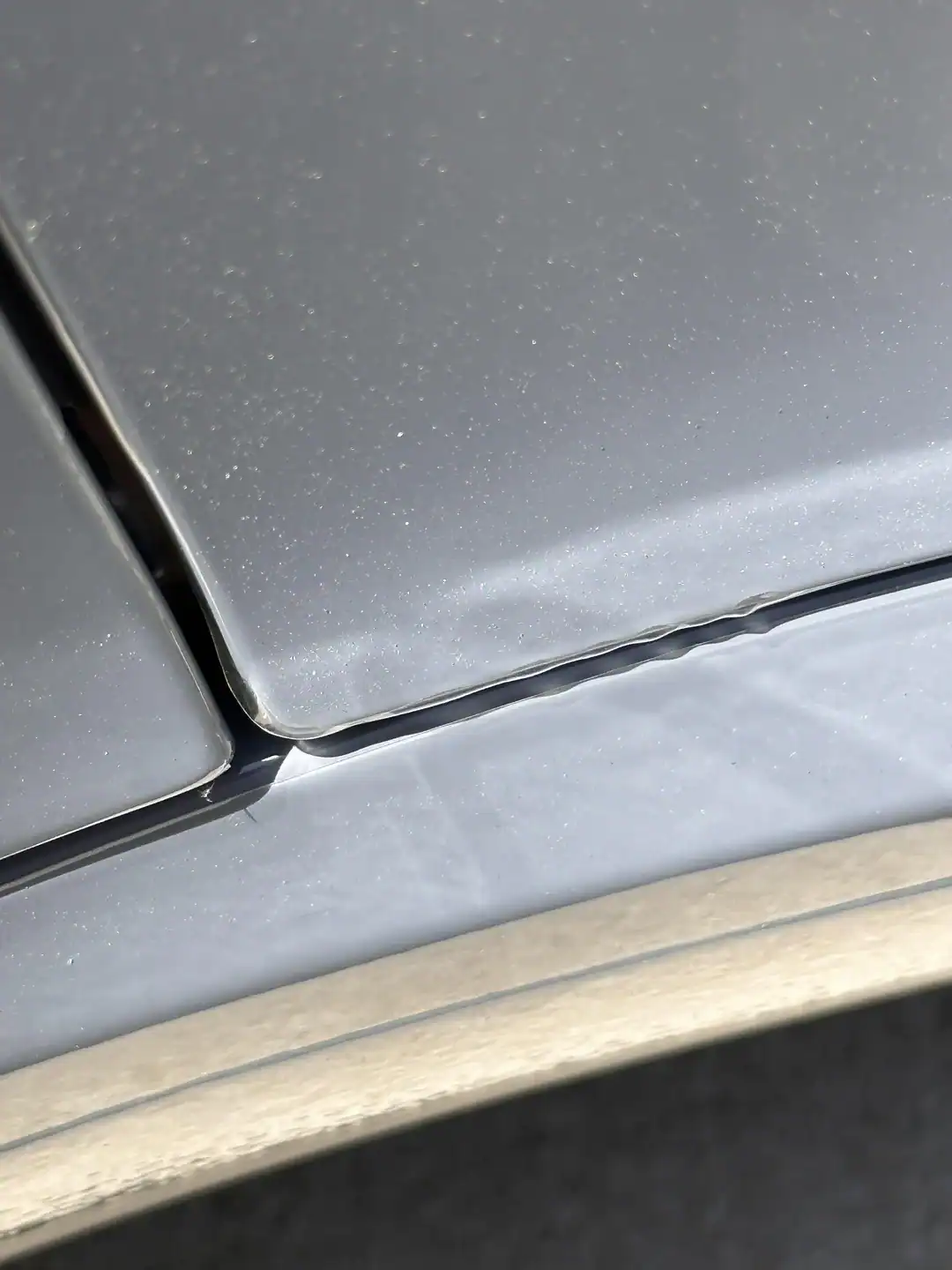
Edge lift doesn’t fix itself—it spreads.
Peeling paint protection film lifting at panel edges due to heat and adhesive failure in Arizona

🔍

Lifting Edges or Peeling

COMMON ISSUE


Edges around hoods, doors, and panels are often the first areas to lift if the film wasn’t installed properly or if adhesive starts to fail under heat.

Once lifting starts, dirt and moisture can get underneath, making it worse quickly.

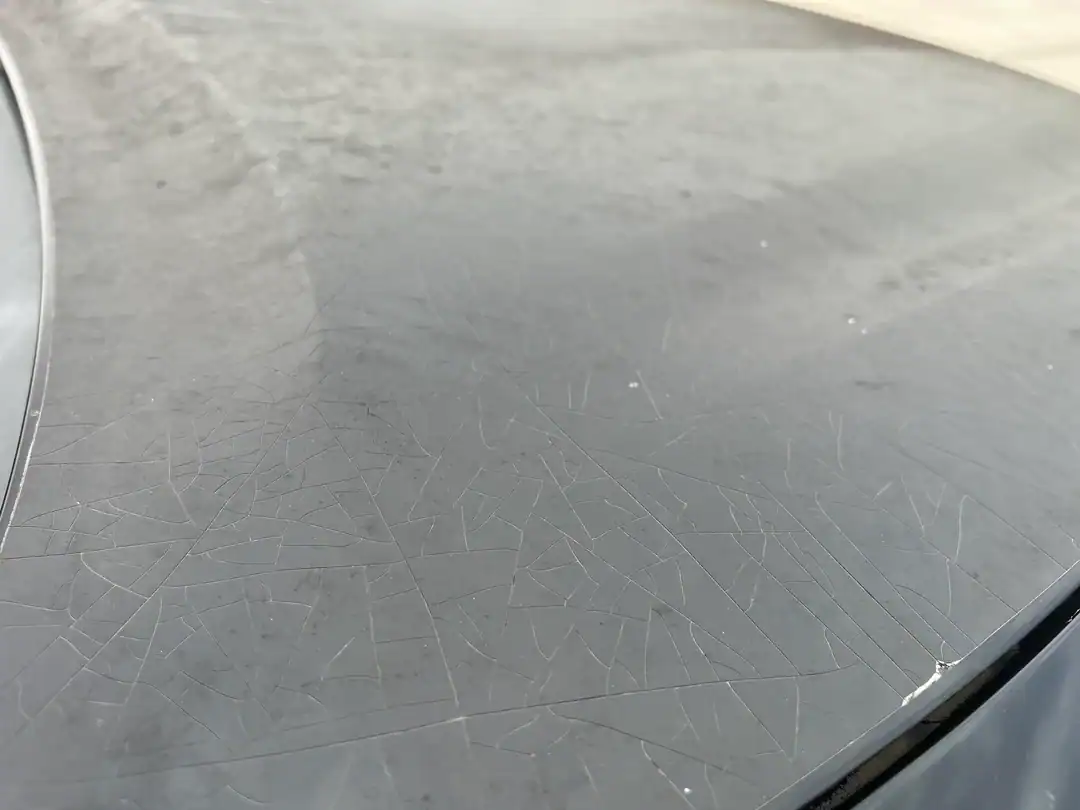
If the film looks dry, it’s already past its prime.
Cracked and dried paint protection film showing severe failure from prolonged sun exposure in Arizona

☀️

Cracking or Appear Dry

SEVERE FAILURE


In extreme cases, older or low-quality film can start to dry out and develop small cracks or a brittle texture.

This is more common in vehicles constantly exposed to direct sun.

When clarity goes, protection usually follows.
🧪

Loss of Gloss or Clarity

PERFORMANCE LOSS


High-quality PPF should stay clear and nearly invisible. If it starts to look hazy, dull, or uneven, the top protective layer is wearing down.


How to Make PPF Last Longer in Arizona Heat

The good news is—PPF can hold up extremely well in Arizona heat when it’s done right.

The difference comes down to a few key factors that most people never hear about until after the damage is already done.
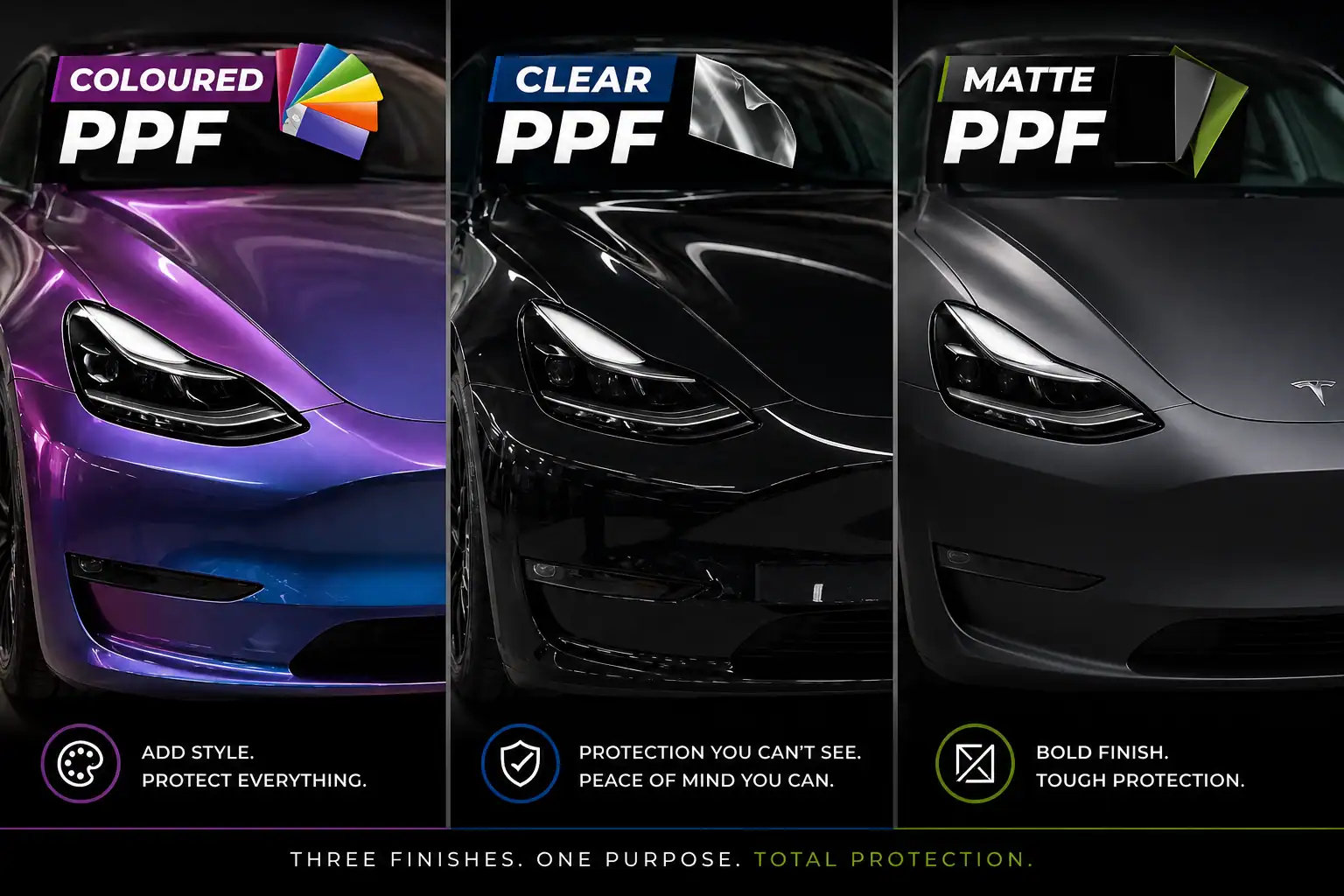
The lifespan of your PPF is decided before it’s ever installed.
Tesla with colored, clear, and matte paint protection film showing different PPF finish options and styles

Choose the Right Film From the Start


Not all PPF is designed for extreme environments. Premium films are built with stronger UV resistance and more durable top layers to handle long-term sun exposure.

Great film with a bad install still fails early.
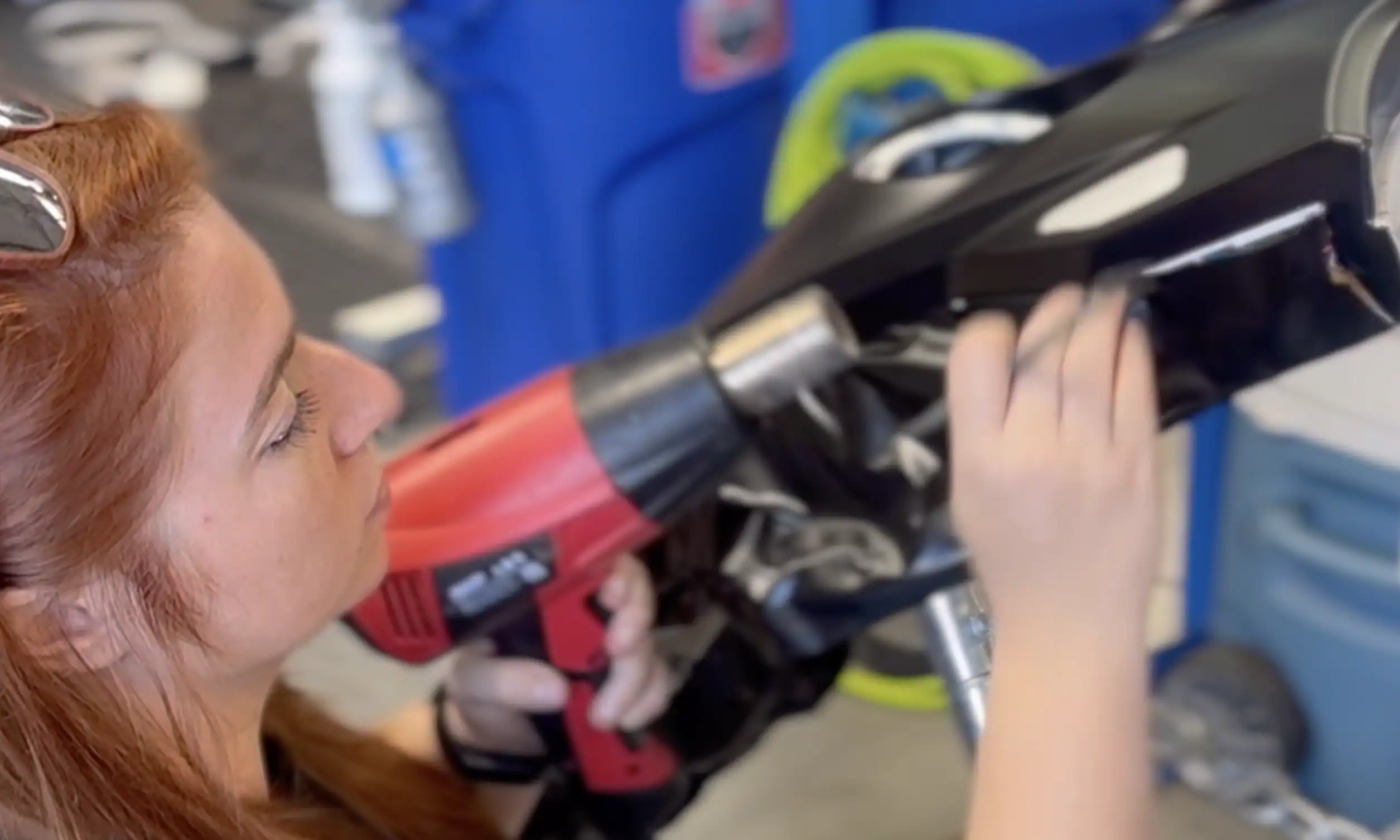
Technician using heat gun to install paint protection film with precision on vehicle panel

Installation Quality Is Everything


Even the best film won’t perform if it’s installed poorly. Proper prep, clean application, and precise edge work all play a major role in how well it holds up over time.

Less direct sun = longer-lasting protection.
Luxury car parked inside a shaded residential garage in Arizona to reduce sun exposure and protect paint protection film

Reduce Constant Sun Exposure When Possible


Parking in a garage or shaded area whenever possible can significantly extend the life of your PPF. Even small changes in exposure make a difference over time.

PPF isn’t high maintenance—but it isn’t zero maintenance either.
Man hand washing a luxury car at home using safe methods to maintain paint protection film

Maintain It Properly


Routine washing, avoiding harsh chemicals, and occasional inspections help preserve both the appearance and performance of the film.

At Clear Cut Glass & Tint, we don’t just install PPF—we build it to last in Arizona conditions, where heat, UV, and daily driving expose every weakness.

If you’re considering PPF or wondering how your current film is holding up, we can take a look and give you a clear answer—no pressure.

Is Paint Protection Film Worth It in Arizona?

The answer depends on how your vehicle is used—and how much damage you’re willing to accept.

In a place like Arizona, your vehicle is constantly exposed to extreme heat, intense UV rays, road debris, and daily wear.

The real question isn’t whether PPF works—it’s whether you want to deal with the damage that happens without it.

When PPF Makes the Most Sense


PPF is a strong investment for vehicles that are:

  • Daily driven in high heat
  • Parked outdoors regularly
  • New or recently repainted
  • Owned by someone who wants to maintain long-term value and appearance

The harsher the conditions, the more PPF pays for itself.

When It Might Not Be Necessary


Not every vehicle needs full PPF coverage. If a car is rarely driven, always garaged, or not a long-term hold, partial protection or alternative options may make more sense.


Less driving doesn’t mean less exposure—it just means slower damage.

What It Comes Down To


Over time, Arizona heat doesn’t just affect your paint—it accelerates every weakness.

PPF gives you a layer of protection that takes the damage instead of your vehicle.


You’re not avoiding damage—you’re choosing where it happens.

Frequently Asked Questions About PPF in Arizona

High-quality PPF typically lasts 7–10 years, but Arizona’s extreme heat and UV exposure can shorten that depending on film quality, installation, and how the vehicle is stored. Lower-quality films may show signs of wear much sooner.

Lower-quality or older PPF can develop a yellow tint over time due to UV exposure. Premium films are designed with UV inhibitors to resist yellowing, especially in high-heat environments like Arizona.

For most drivers, yes. Arizona’s intense sun, heat, and road conditions can damage paint quickly. PPF adds a protective layer that takes that damage instead, helping preserve the vehicle’s appearance and value.

It can—especially if the film was installed incorrectly or exposed to extreme conditions over time. Proper installation and quality materials significantly reduce the risk of peeling or lifting.

PPF is low maintenance, but not maintenance-free. Regular washing, avoiding harsh chemicals, and occasional inspections help extend its lifespan and keep it looking clear.

Yes. Ceramic coating can be applied over PPF to enhance gloss, make cleaning easier, and add another layer of protection against environmental contaminants.

Clear PPF preserves your vehicle’s original paint, matte PPF creates a satin finish, and colored PPF allows for a full color change while still providing protection. Each option offers different aesthetic and functional benefits.

Common signs include yellowing, lifting edges, cracking, or a hazy appearance. If you notice any of these, it’s a good idea to have it inspected before the damage spreads.

At Clear Cut Glass & Tint, we install PPF with Arizona conditions in mind—because what works in other states doesn’t always hold up here.

If you’re considering PPF or want to see how your current film is holding up, we’ll give you a straightforward answer based on your vehicle and how you use it. Or stop by and we’ll take a look in person.


*Include vehicle make, model, and year in the message box below.

By checking the box below and clicking SUBMIT, you consent to receive SMS text messages from Clear Cut Glass & Tint regarding your quote request, appointment reminders, service updates, and promotional offers.  Message fBy checking the box below and clicking SUBMIT, you consent to receive SMS text messages from Clear Cut Glass & Tint regarding your quote request, appointment reminders, service updates, and promotional offers.  Message frequency varies.  Message and data rates may apply.  Consent is not a condition of purchase.  Reply STOP or END to opt out at any time. 

By submitting this form, you agree to our Privacy Policy and Terms & Conditions.