
Bad PPF Installs: 7 Costly Mistakes to Avoid
Most bad PPF installations don’t show up the day you pick up your car.
They show up weeks later… when edges start lifting, dirt gets trapped underneath, and the film you paid thousands for starts to look worse than your paint.
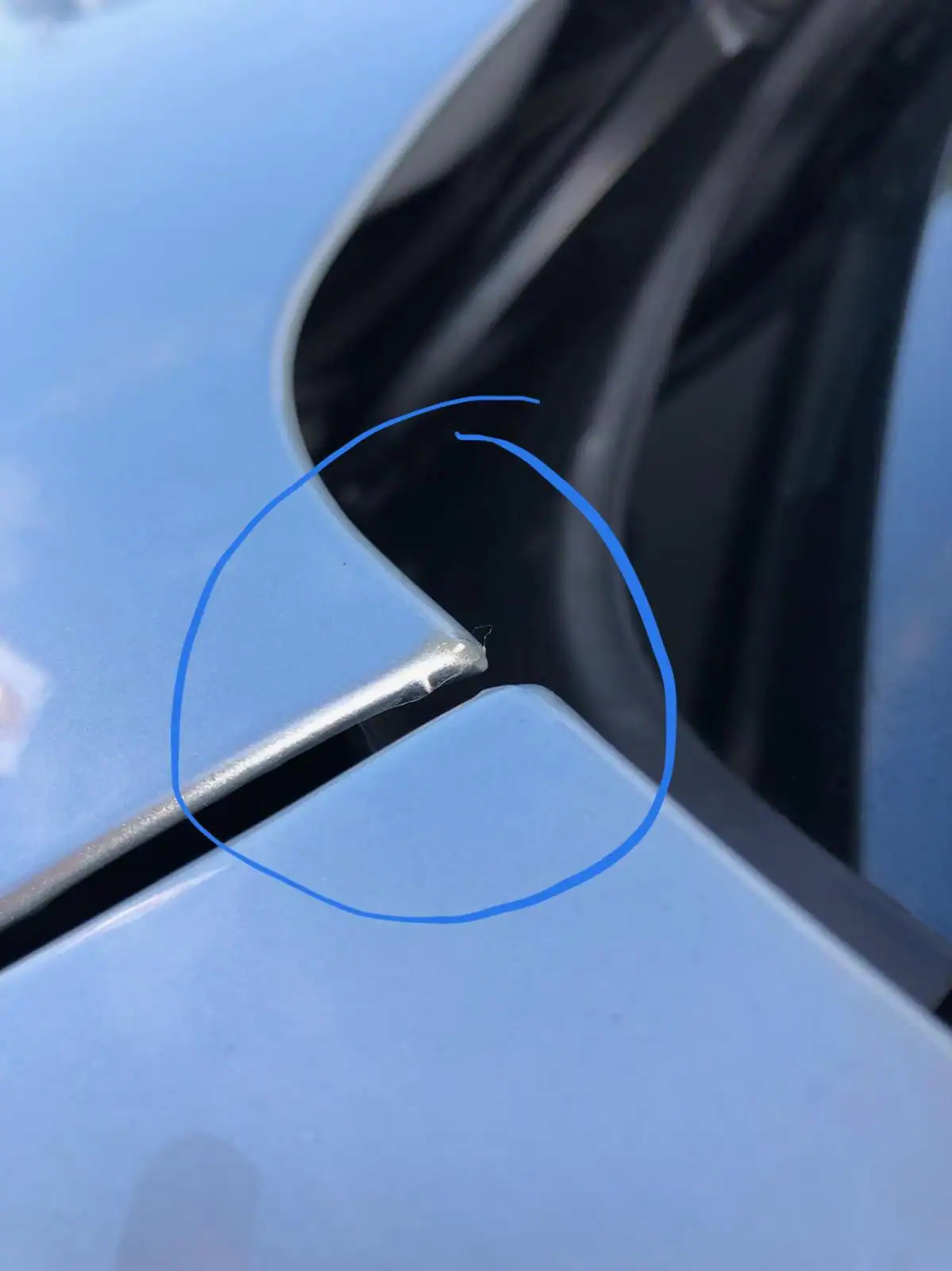
1. Lifting or Peeling Edges
What it looks like:
Edges of the film start to curl, especially around hoods, fenders, and door edges.
Why it happens:
Poor prep, bad adhesion, or installers not wrapping edges.
Why it matters:
Once edges lift, dirt and moisture get underneath… and it only gets worse from there.
What it should look like:
Edges should be tight, clean, and nearly invisible.
Most edge failures like this don’t show up immediately—they start days or weeks after installation.
What Does a Bad PPF Installation Look Like?
Real example: Can this PPF be repaired?
In this video, Sarah from Clear Cut Glass & Tint examines PPF installed by another shop and explains what may have caused the visible problems, whether they can be repaired, and when replacing the film is the better option. She also explains why understanding an installer’s workmanship warranty matters before choosing a PPF shop.
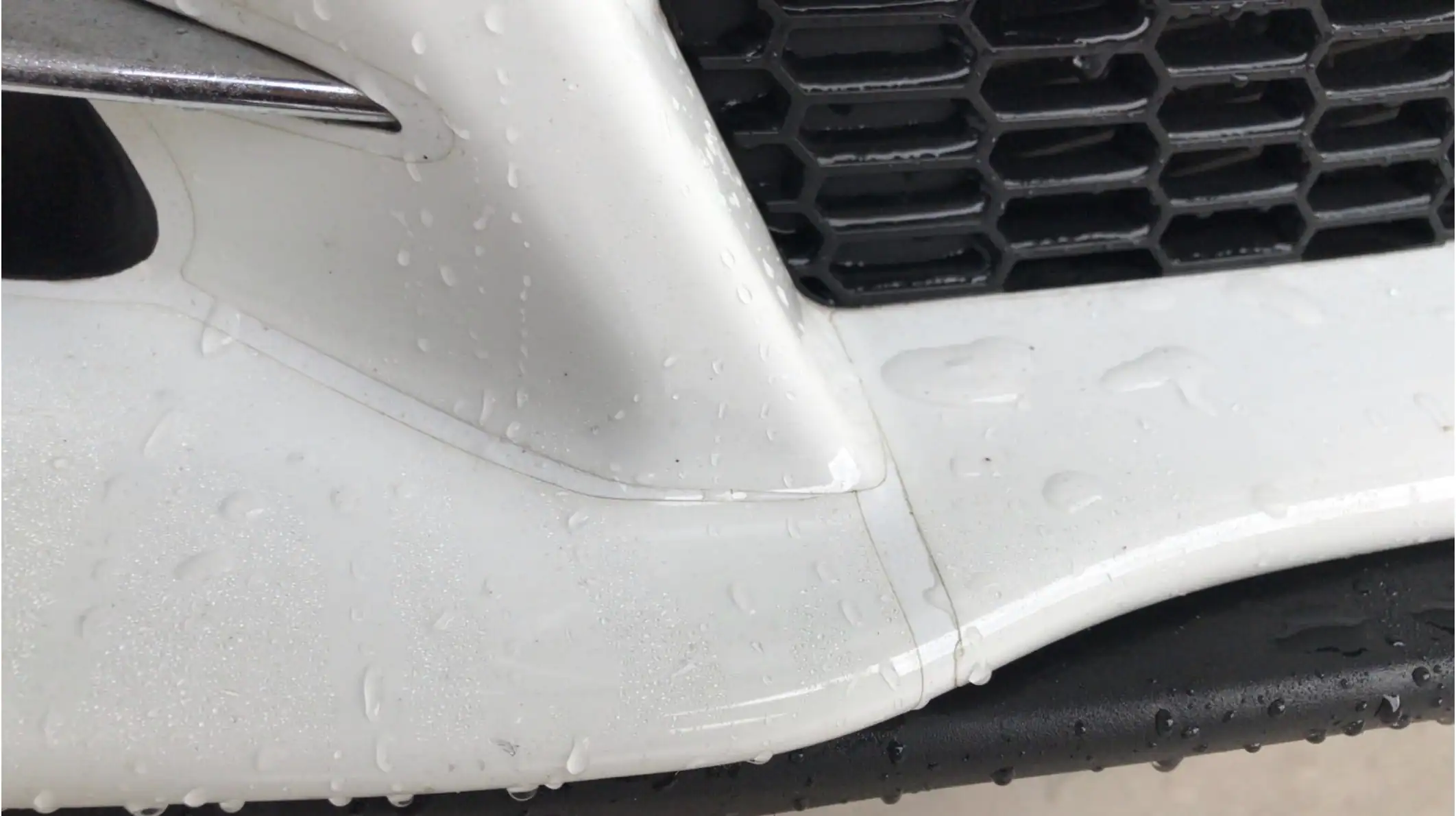
Seams like this are often the result of shortcuts—and they only become more noticeable over time.
2. Visible Seams and Harsh Lines
What it looks like:
You can clearly see where one piece of film ends and another begins.
Why it happens:
Pre-cut shortcuts or poor pattern alignment.
Why it matters:
It ruins the look and leaves more exposed paint vulnerable to damage.
What it should look like:
Seams should be minimal and strategically hidden.
In high-heat areas like Arizona, seams like this expand and collect more debris—making them even more visible over time.
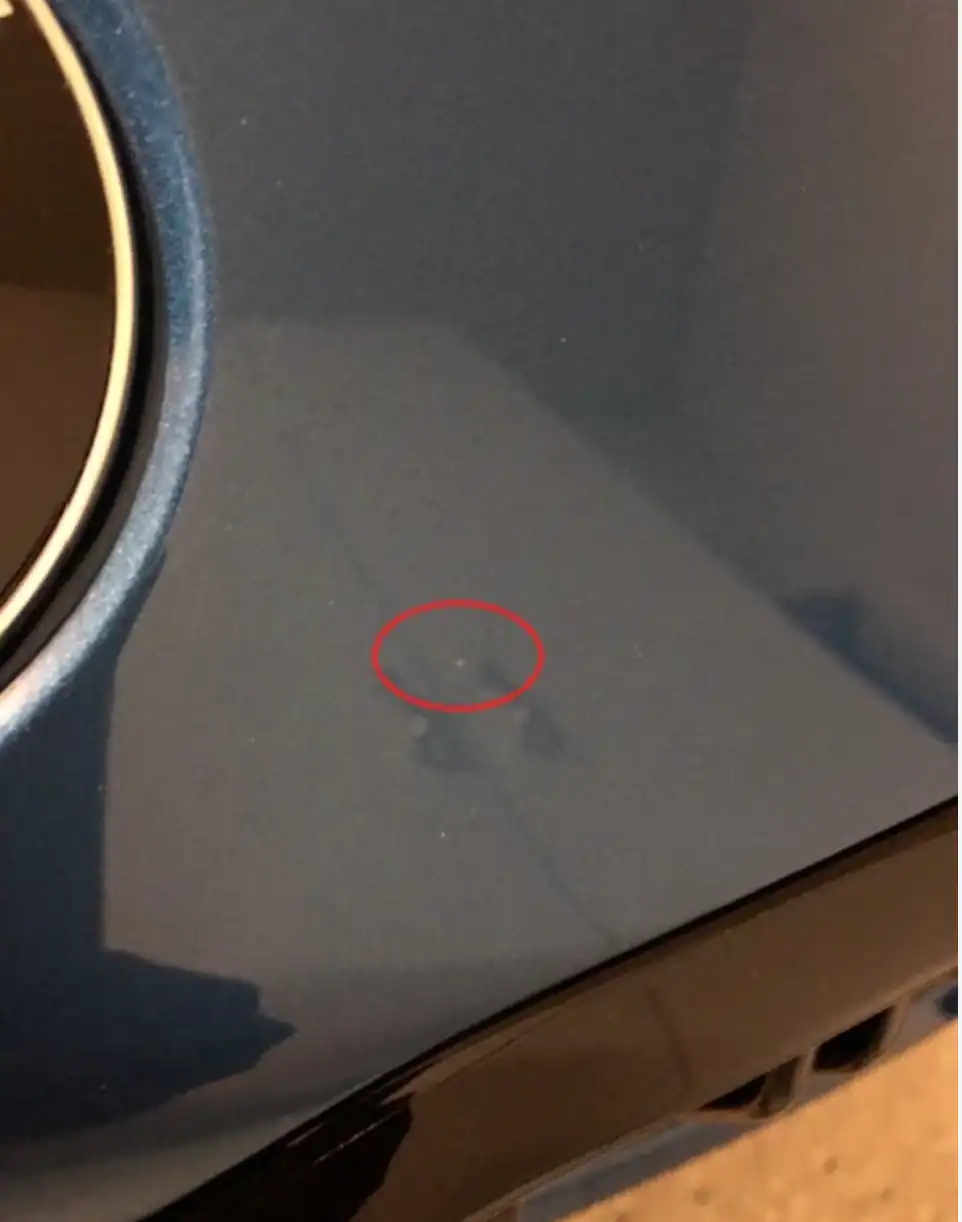
3. Dirt, Dust, or Debris Trapped Under the Film
What it looks like:
Tiny bumps, specks, or imperfections under the surface.
Why it happens:
Rushed installs or poor environment control.
Why it matters:
It’s permanent. You’re sealing contamination into your paint protection.
What it should look like:
A clean, smooth surface with no visible particles.
Issues like this are caused before the film even goes on—during prep and install.
See What Contamination Under PPF Actually Looks Like
Josh, Clear Cut’s lead PPF installer, shows what dust trapped beneath paint protection film actually looks like and explains what can be done when contamination is found after installation.
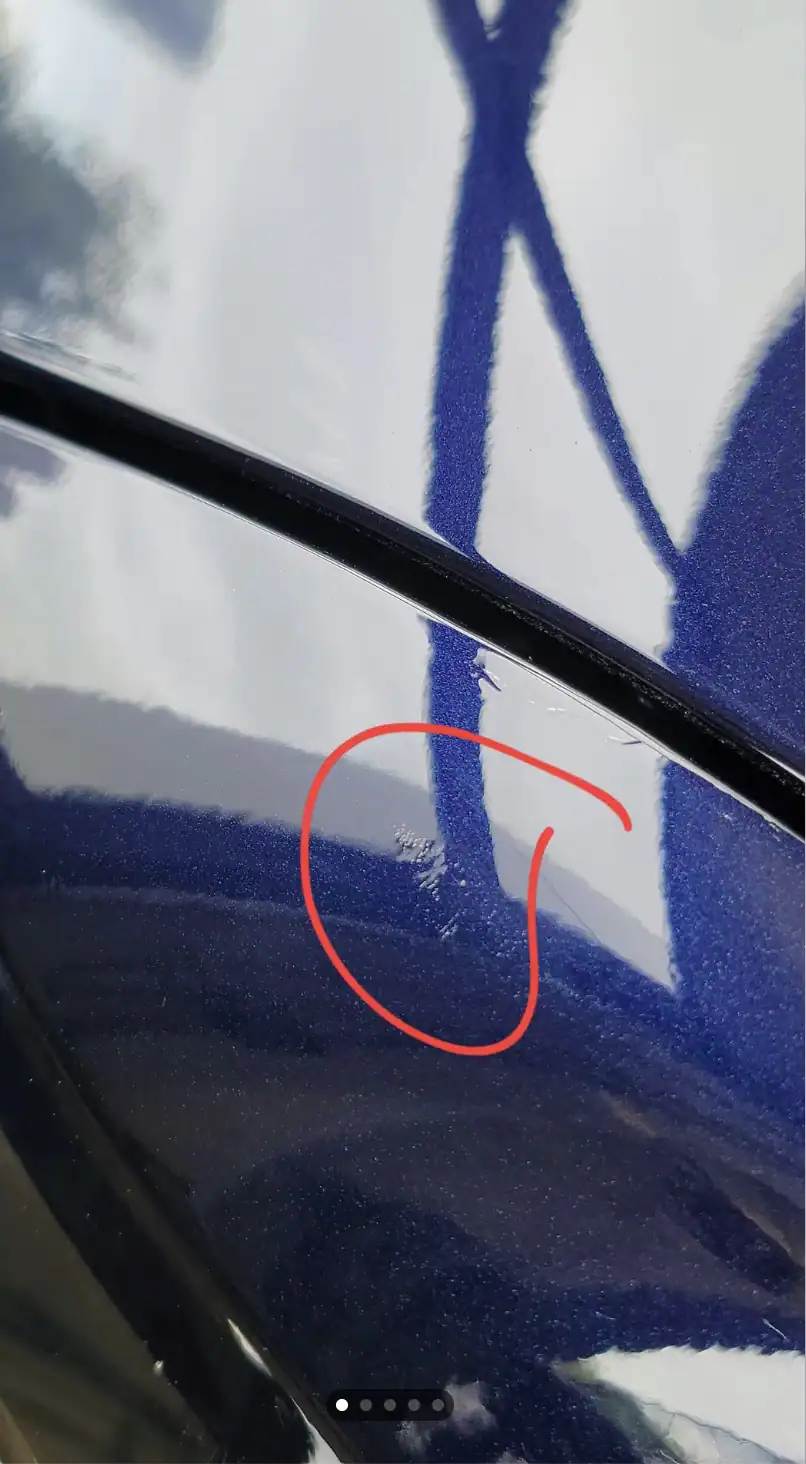
In direct sunlight, issues like this become even more visible—especially on darker paint.
4. Silvering (Tiny Air Bubbles That Don’t Go Away)
What it looks like:
Small, cloudy-looking spots or micro-bubbles under the film.
Why it happens:
Improper installation technique or stretching the film too much.
Why it matters:
It worsens over time and kills the clarity of the finish.
What it should look like:
Crystal-clear film that looks like it isn’t even there.
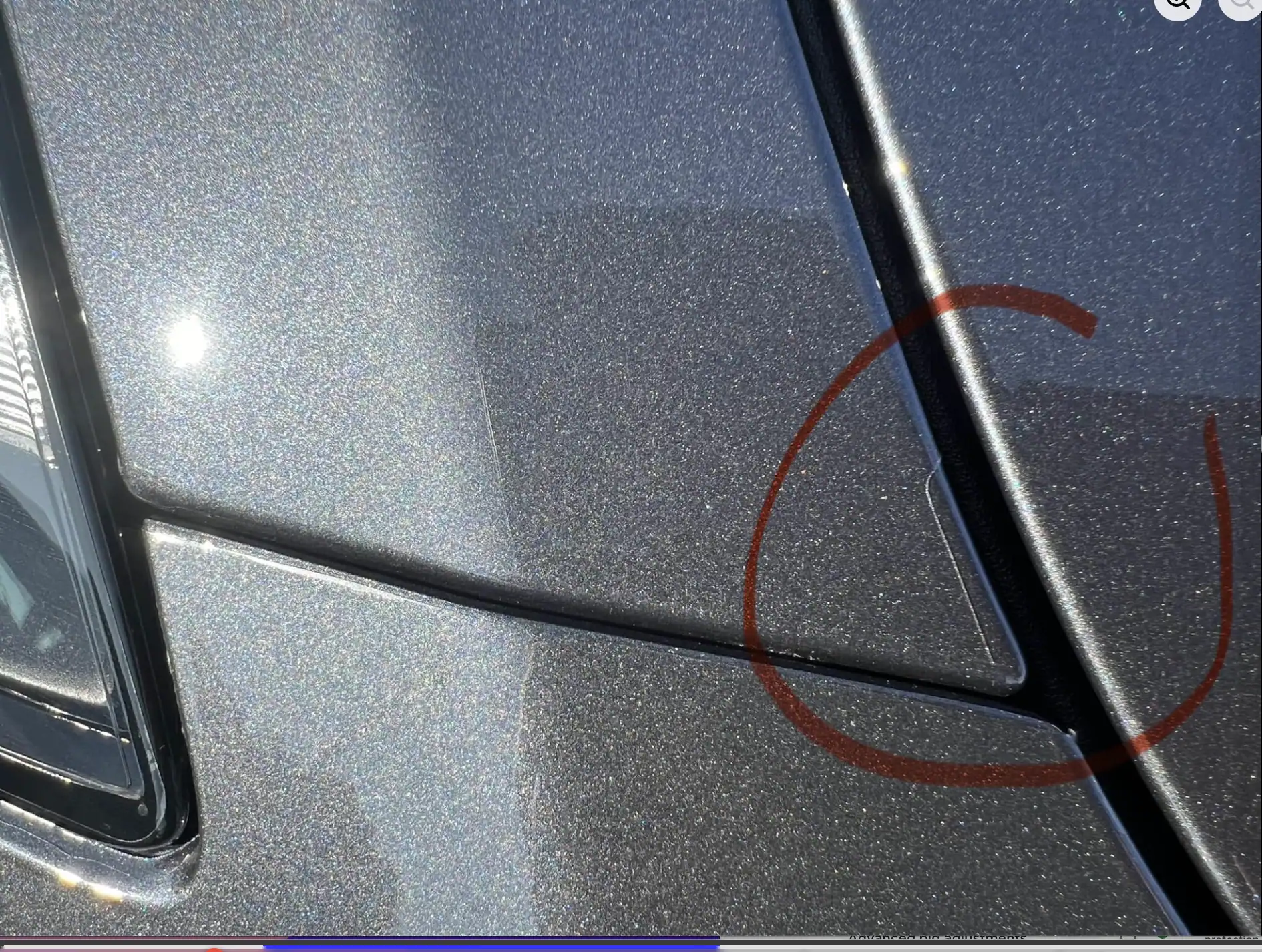
5. Misaligned Patterns or Coverage Gaps
What it looks like:
Film doesn’t fully cover edges or leaves uneven gaps.
Why it happens:
Lazy pattern use or lack of precision during install.
Why it matters:
Exposed paint defeats the entire purpose of PPF.
What it should look like:
Consistent, even coverage with intentional alignment.
Even small misalignments like this can leave high-impact areas exposed over time.
6. No Edge Wrapping (Exposed Edges Everywhere)
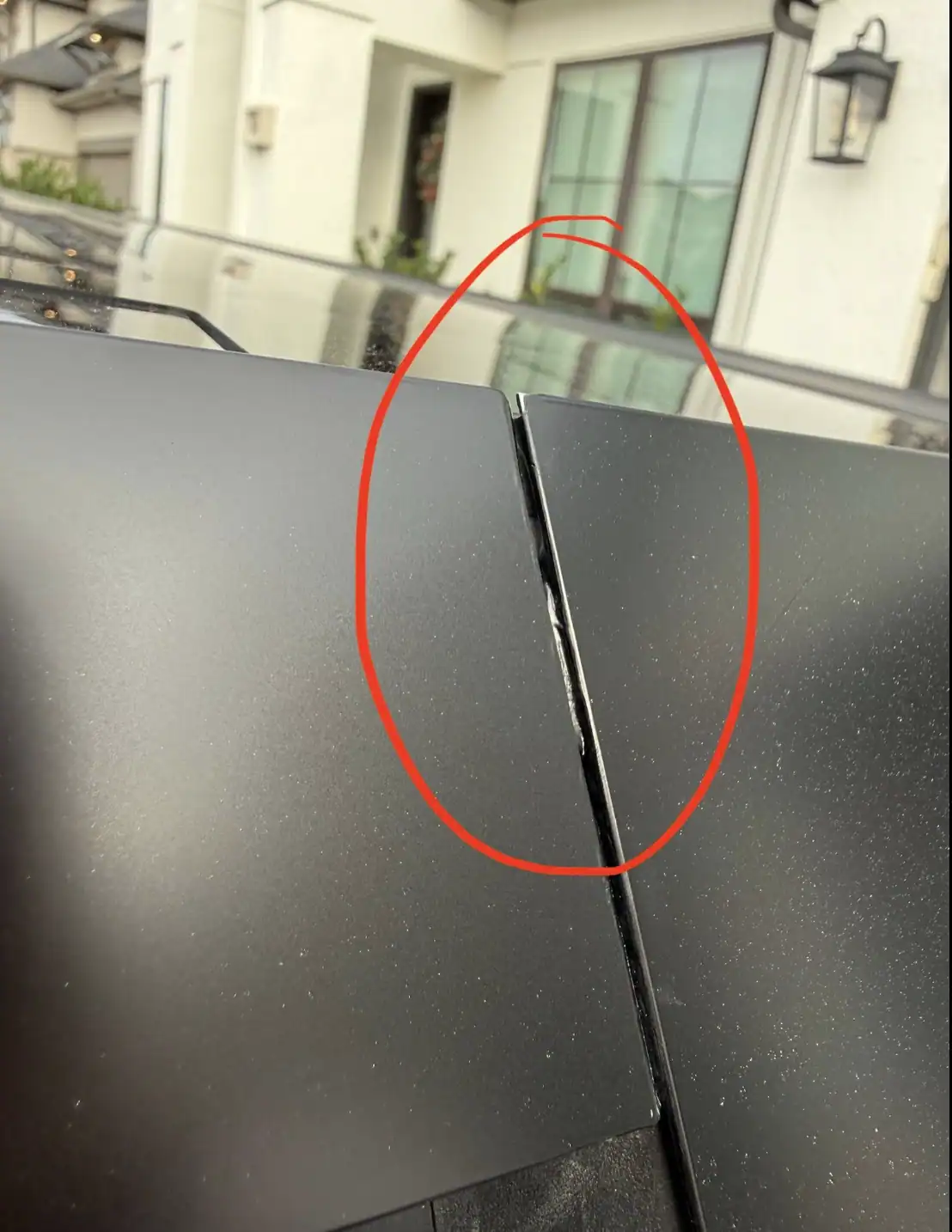
What it looks like:
You can see film edges along panels instead of them being tucked.
Why it happens:
Installers skipping disassembly to save time.
Why it matters:
Edges become the first failure point—especially in Arizona heat.
What it should look like:
Wrapped edges wherever possible for a seamless finish.
Wrapped edges take more time—but they’re what separate a clean install from one that fails early.
7. Cut Marks in the Paint (The Worst One)
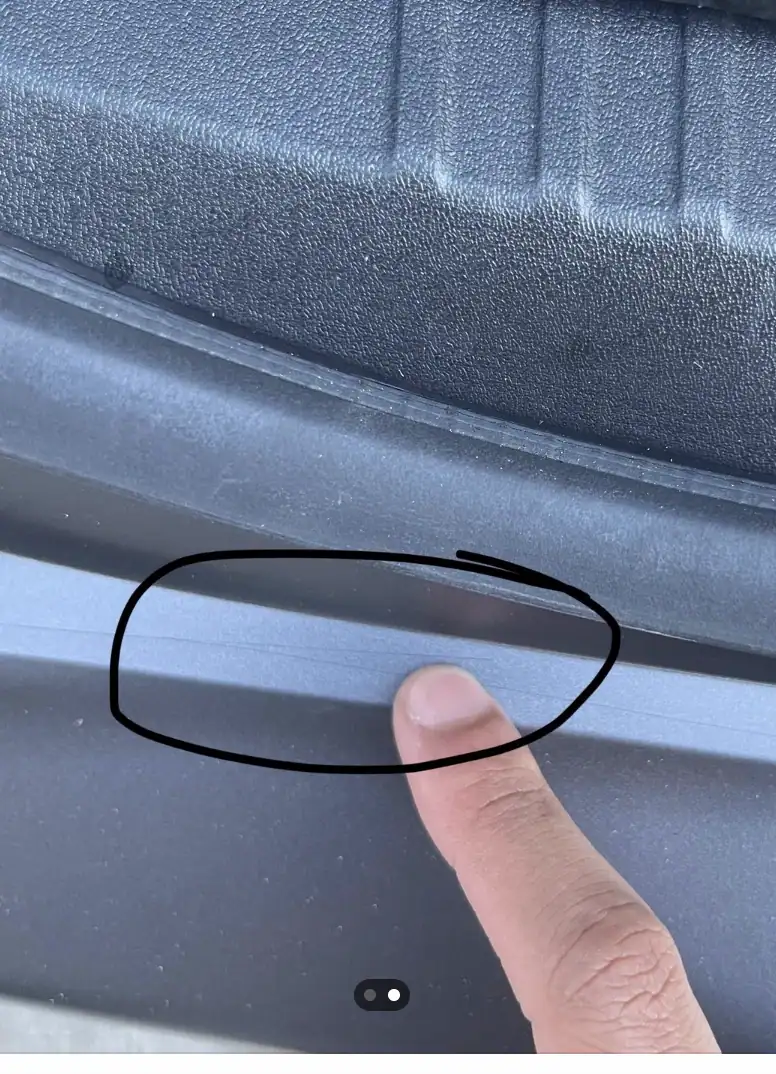
What it looks like:
Fine lines or cuts in the paint near edges of the film.
Why it happens:
Cutting film directly on the vehicle without proper technique.
Why it matters:
You’ve now damaged the paint you were trying to protect.
What it should look like:
No cutting marks. Ever.
If you see this, the issue isn’t the film—it’s the install.
Ask About the Warranty Before Installation
Before choosing a PPF installer, ask what happens if the installation develops a problem after you leave the shop.
Find out what’s covered by the film manufacturer’s warranty and what’s covered by the installer’s workmanship warranty. They’re not necessarily the same thing.
Ask specifically how the shop handles lifting edges, contamination, installation defects, and film that needs to be removed and replaced.
A warranty is only useful if you know who’s responsible when something goes wrong.
Why Cheap PPF Installs Fail (Especially in Arizona)
1. Rushed Surface Preparation
PPF only performs as well as the surface underneath it.
If the paint isn’t properly cleaned, decontaminated, and prepped, issues like dust, bubbling, and poor adhesion are almost guaranteed.
2. No Disassembly = Exposed Edges
Proper installs take time—and often require removing trim, handles, or panels to wrap edges cleanly.
Cheaper installs skip this step, leaving exposed edges that become the first point of failure.
3. Over-Reliance on Pre-Cut Patterns
Pre-cut templates aren’t the problem—how they’re used is.
Without proper adjustment and alignment, they lead to visible seams, uneven coverage, and exposed paint.
4. Inexperienced or Rushed Installation
PPF installation is a skilled process.
Stretching the film incorrectly, trapping air, or cutting directly on the vehicle can cause permanent issues—from silvering to actual paint damage.
Arizona heat doesn’t forgive mistakes.
High temperatures accelerate lifting, expand seams, and make contamination and bubbles more visible—turning small issues into major problems quickly.
That’s why two PPF installations can look similar on day one—but completely different a few months later.
How to Inspect a PPF Installation Before You Pay
Before you hand over your keys—or your money—take a few minutes to inspect the installation.
A proper PPF job should look nearly invisible. If you can easily spot issues, they’ll only get worse over time.
If something looks off now, it won’t improve later—PPF doesn’t “settle” into perfection.
A quality installation should be something you have to look hard to find—not something that stands out immediately.
Want a second set of eyes? We’ll walk your vehicle with you and show you exactly what to look for—before you commit.
What a Proper PPF Installation Should Look Like
Most installs fail in the details you never see—until it’s too late.
A properly installed PPF job shouldn’t draw attention to itself. In most cases, you shouldn’t even be able to tell it’s there. Most PPF installs look good… until you know where to look. Here’s what separates a clean install from one that fails in months—especially when choosing the right level of paint protection film coverage.
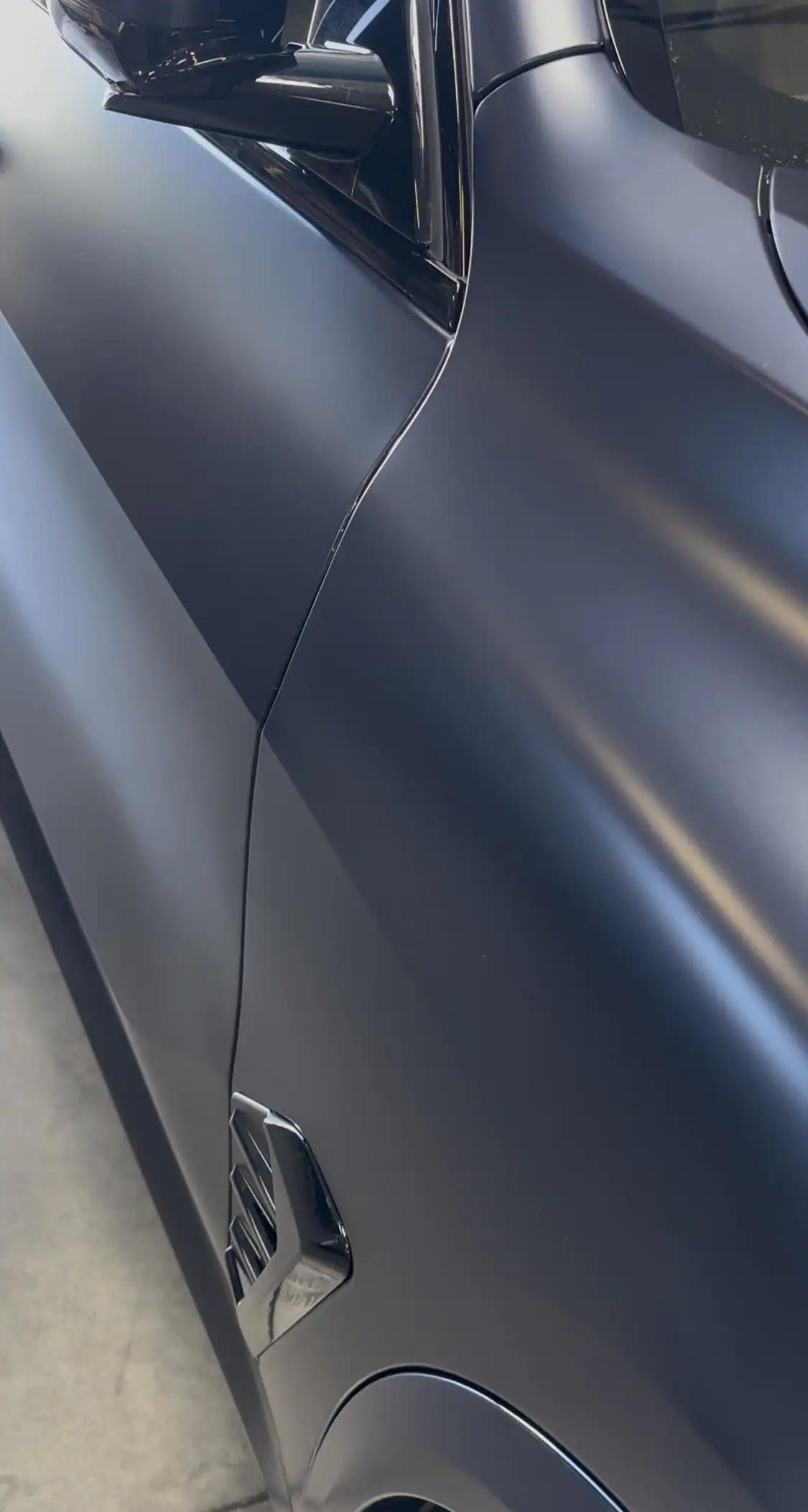
Seams Should Follow Body Lines
Seam placement follows the natural body line—clean, controlled, and barely noticeable.
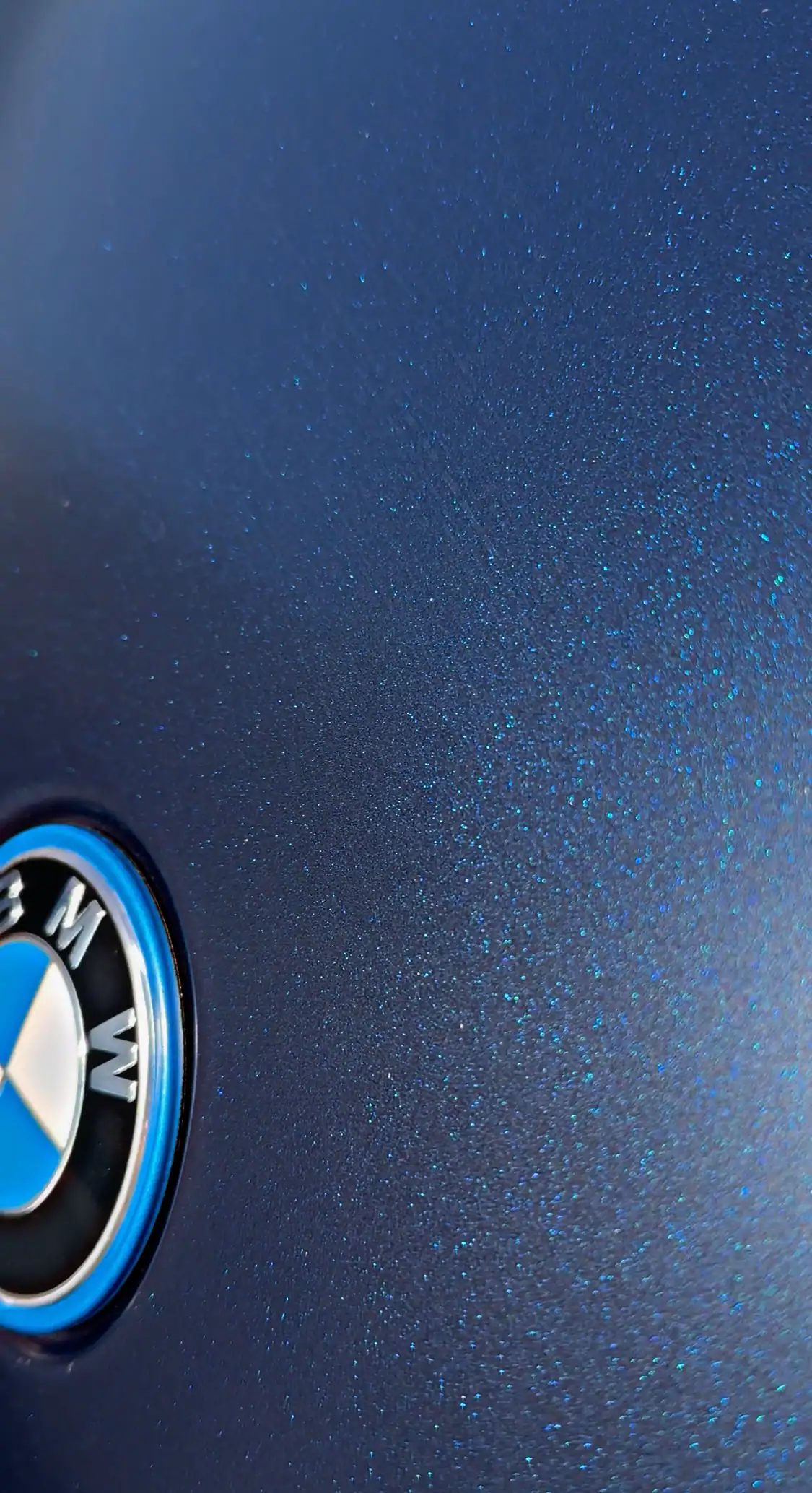
No Distortion in the Finish
Metallic flake remains sharp and consistent—no haze, no film distortion.
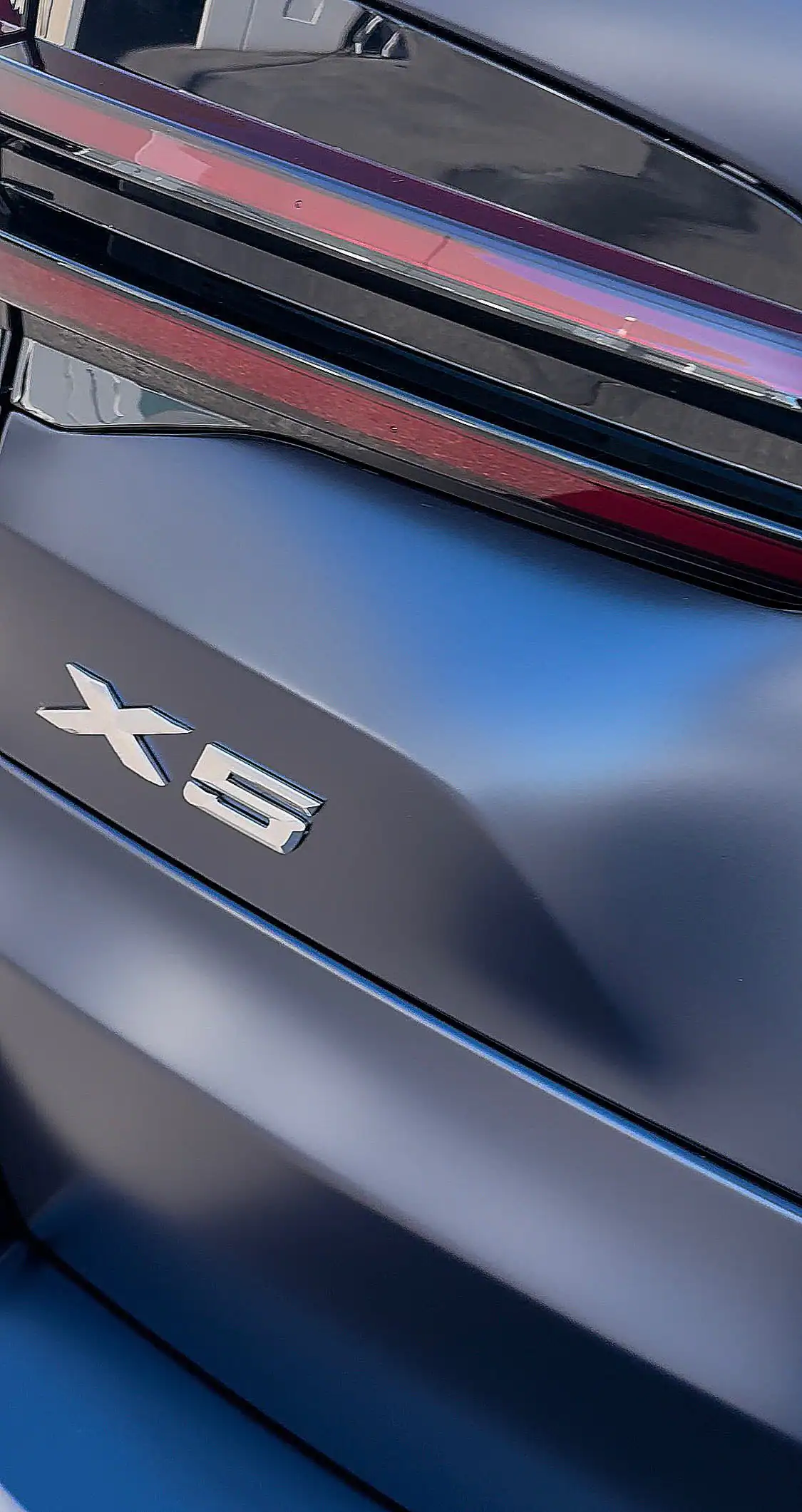
Flawless Surface (No Contamination)
Flat panels show zero dust, texture, or trapped debris under the film.
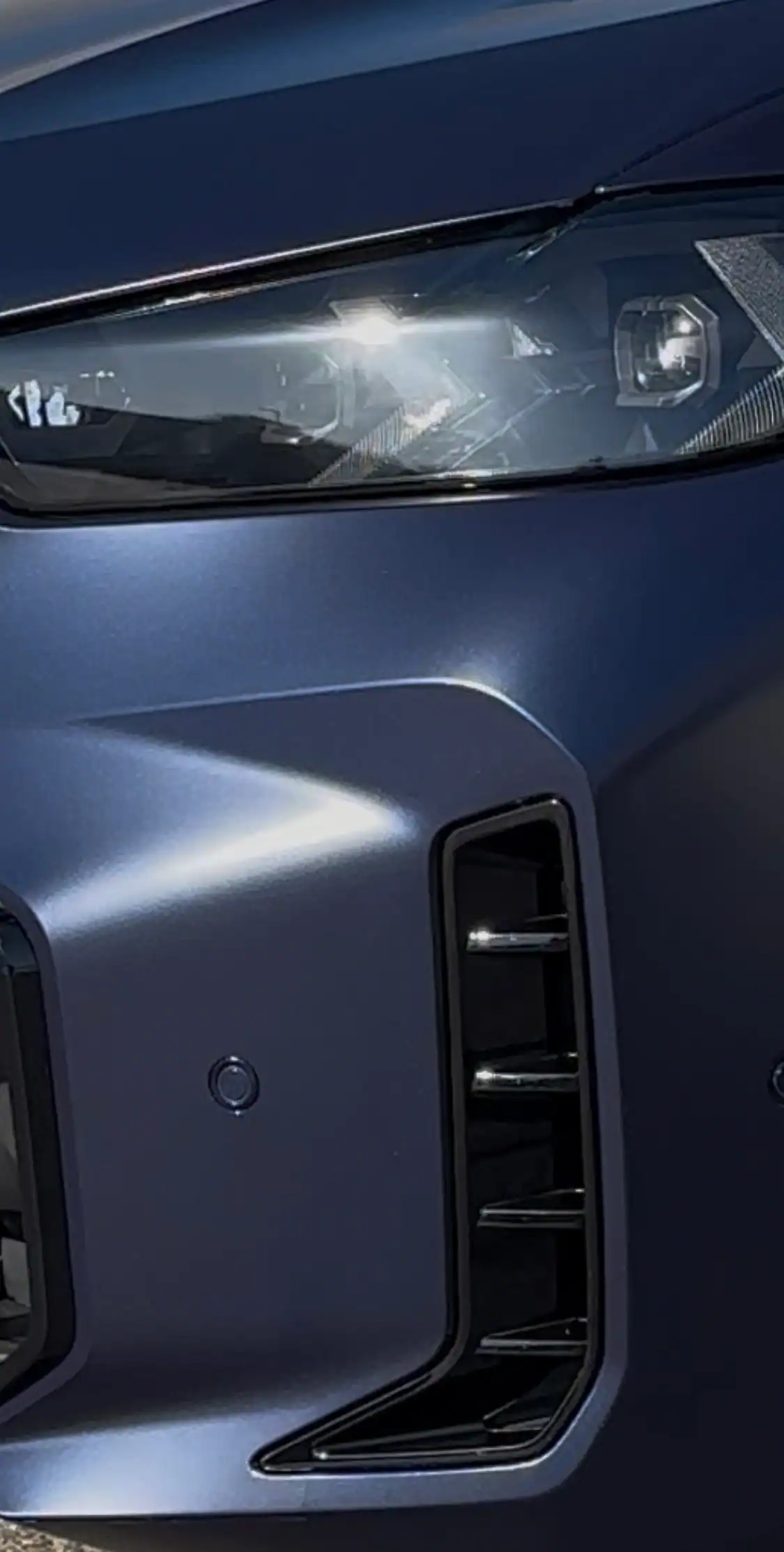
Clean Edges Around Complex Areas
Tight edges and clean transitions around high-detail areas like headlights and vents.
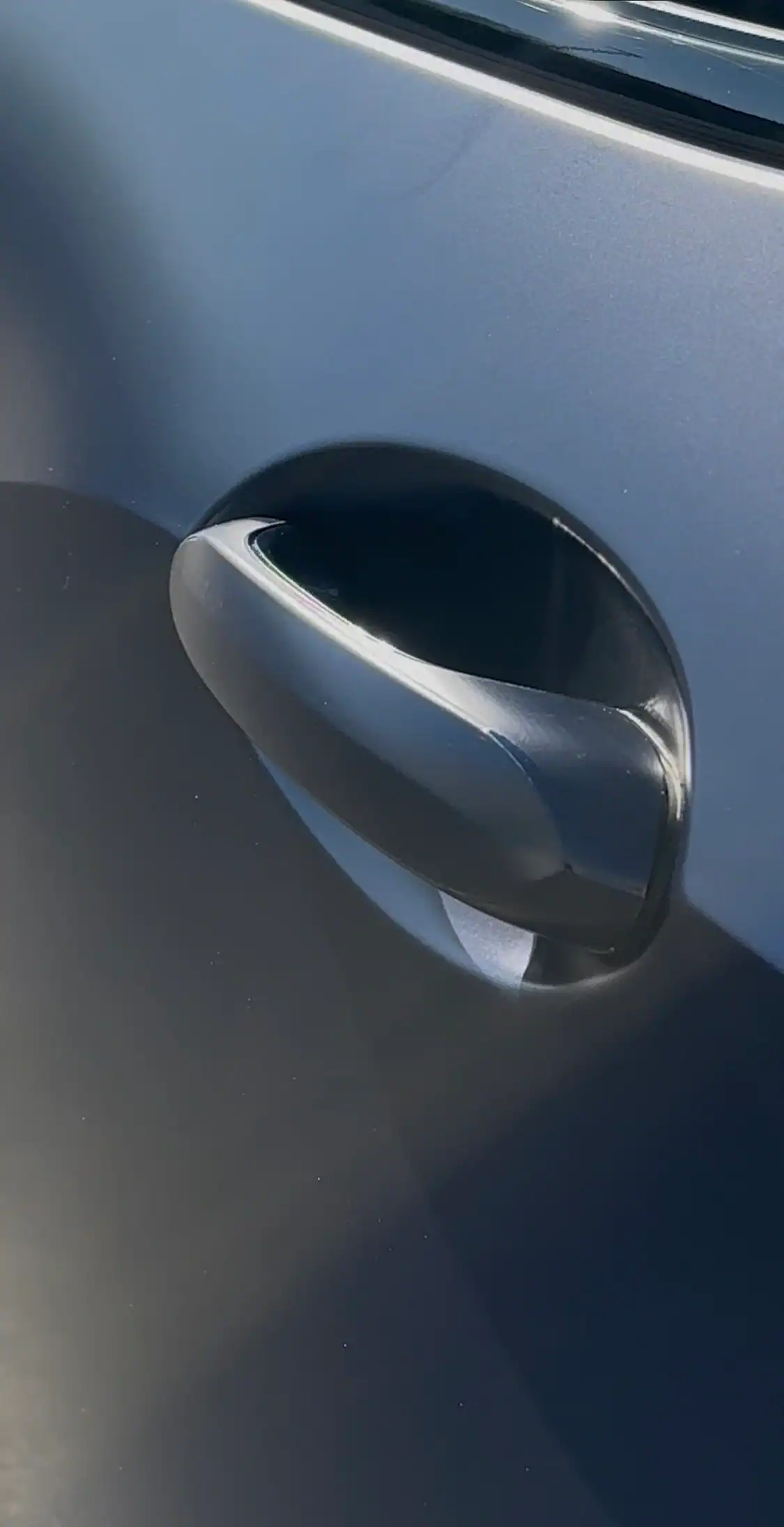
Edges Properly Wrapped (Not Left Exposed)
High-contact areas like door handles are fully wrapped—not cut short or left exposed.
If you know what to look for, the difference is obvious. If you don’t—this is exactly what you’re trusting us to get right.
Want to understand what goes into an install like this?
➡️ See PPF Coverage Options
➡️ Read Our PPF Cost Guide
➡️ Is Paint Protection Film Actually Worth It?
Common Questions About PPF Installation
Know What to Look For—Now Choose the Right Installer
You’ve seen what can go wrong—and what a proper installation should look like.
If you’re considering paint protection film, the details matter more than most people realize.
We’ll walk you through your options, show you exactly what to expect, and make sure your vehicle is protected the right way from the start.