
Does Window Tint Affect Your Antenna or Rear Defroster?
Want a cooler car without messing with your vehicle’s electronics?
If you’re considering window tint, you might be wondering whether it could interfere with your radio reception, GPS, cell signal, or rear window defroster.
It’s a legitimate concern, especially with today’s vehicles relying on technology built directly into their glass.
The short answer? Modern nonmetallic ceramic window tint is designed to avoid signal interference, and properly installed tint shouldn’t damage your rear defroster.
But not all window films are made the same, and installation matters.
Here’s what you should know before tinting your windows.
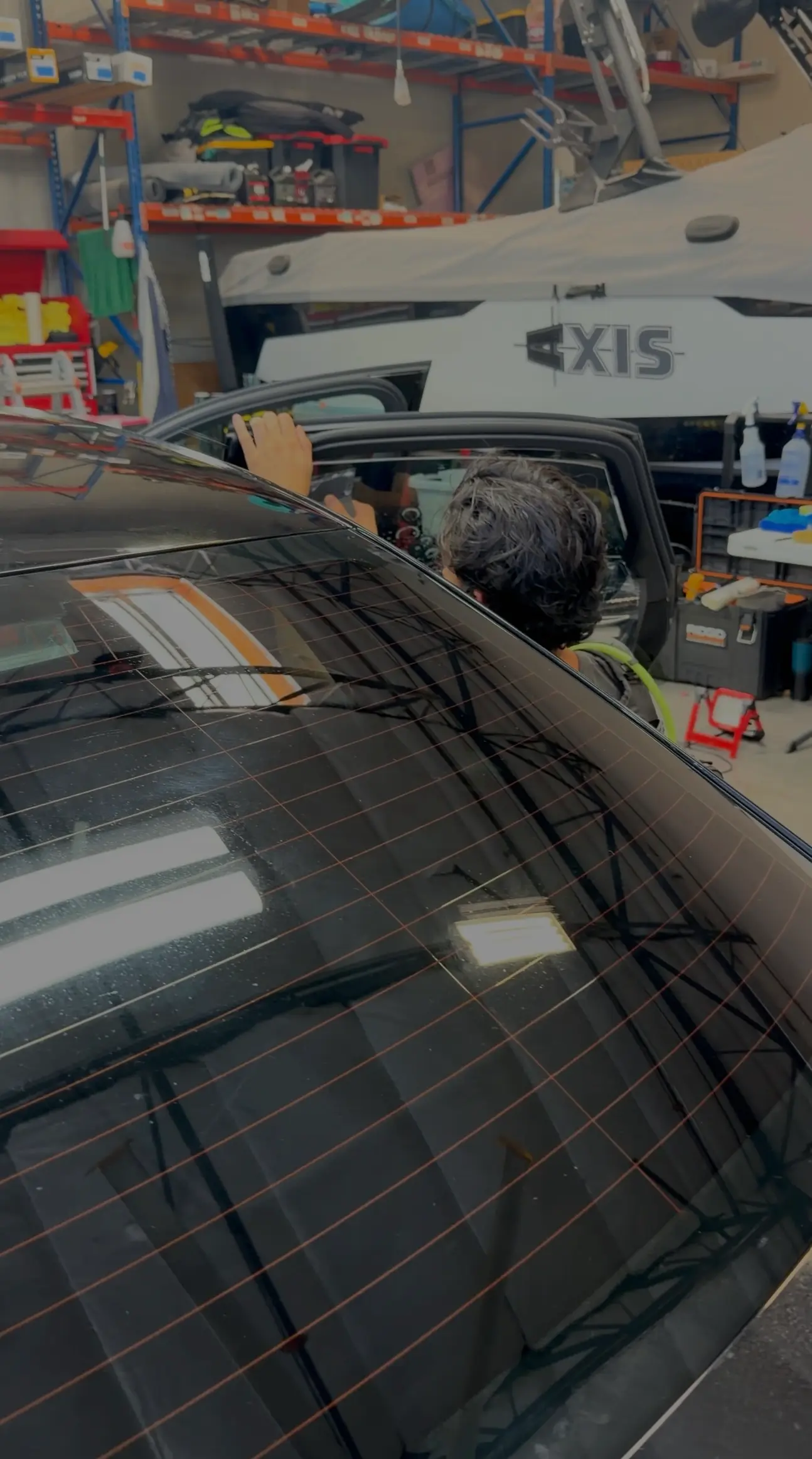
Window Tint and Your Vehicle’s Electronics
Not all window films interact with your vehicle’s technology the same way.
For Arizona drivers who rely on navigation, hands-free communication, and reliable radio reception, choosing the right window film is about more than keeping the vehicle cool.
Protecting Your Rear Defroster
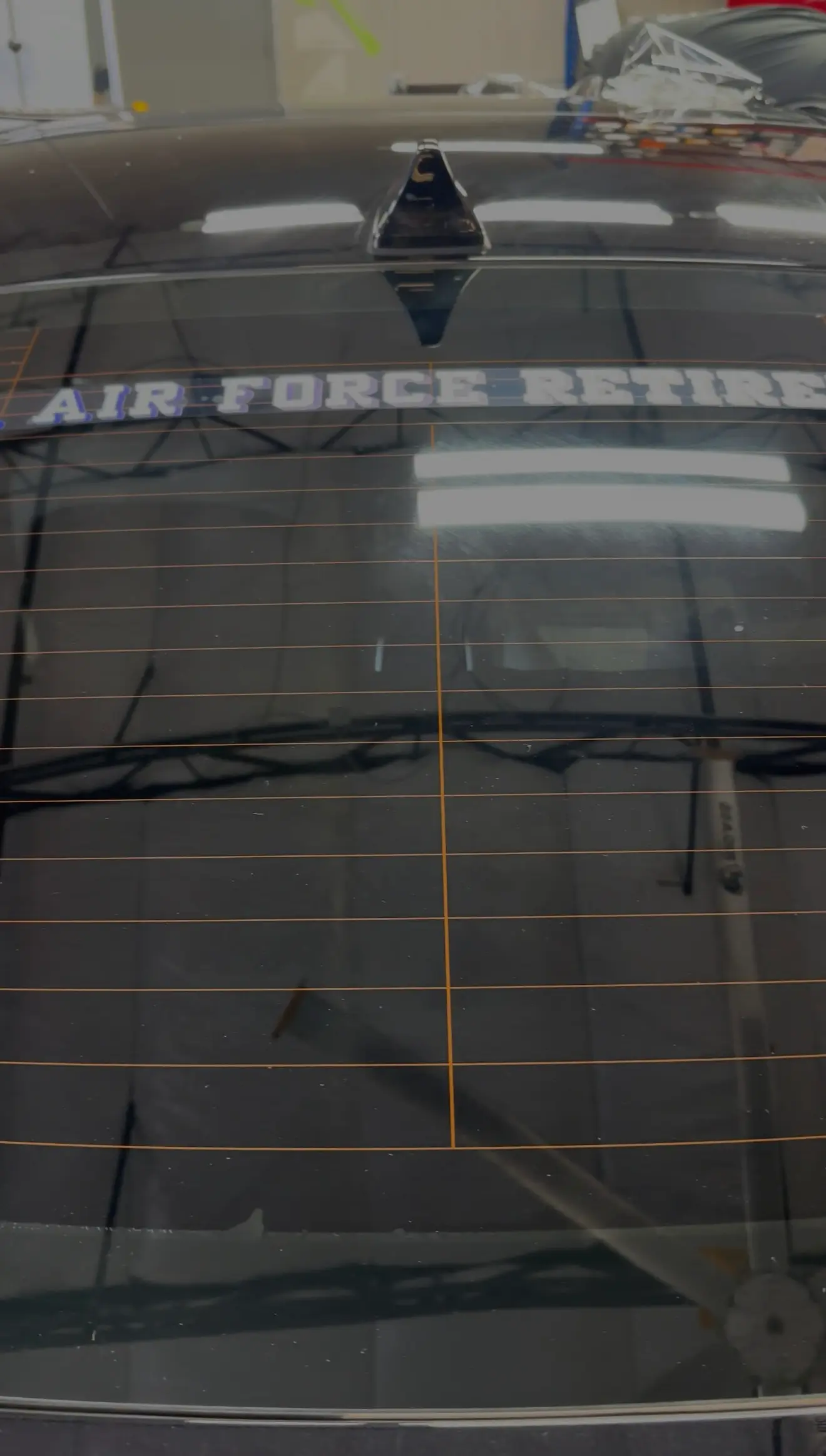
Your rear window does more than give you a view of what’s behind you. Those thin lines running across the glass are heating elements designed to clear fog and frost.
Professionally installed window tint shouldn’t interfere with your defroster’s operation. The bigger concern is damage to those delicate heating lines during improper installation or removal.
This is especially important when replacing old window tint. Removing film that’s bonded to the rear glass requires extra care, as damaged defroster lines can be difficult and expensive to repair.
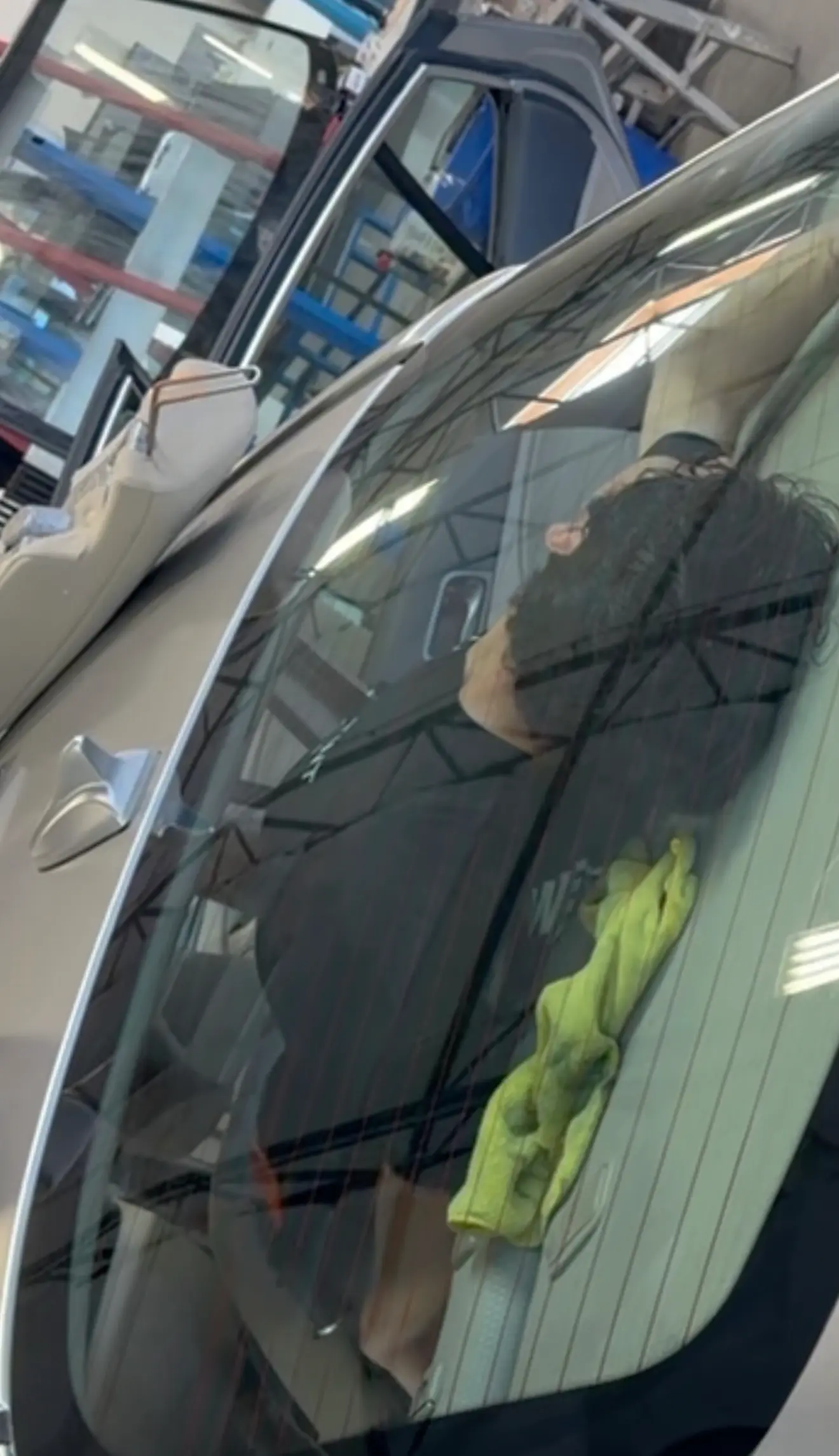
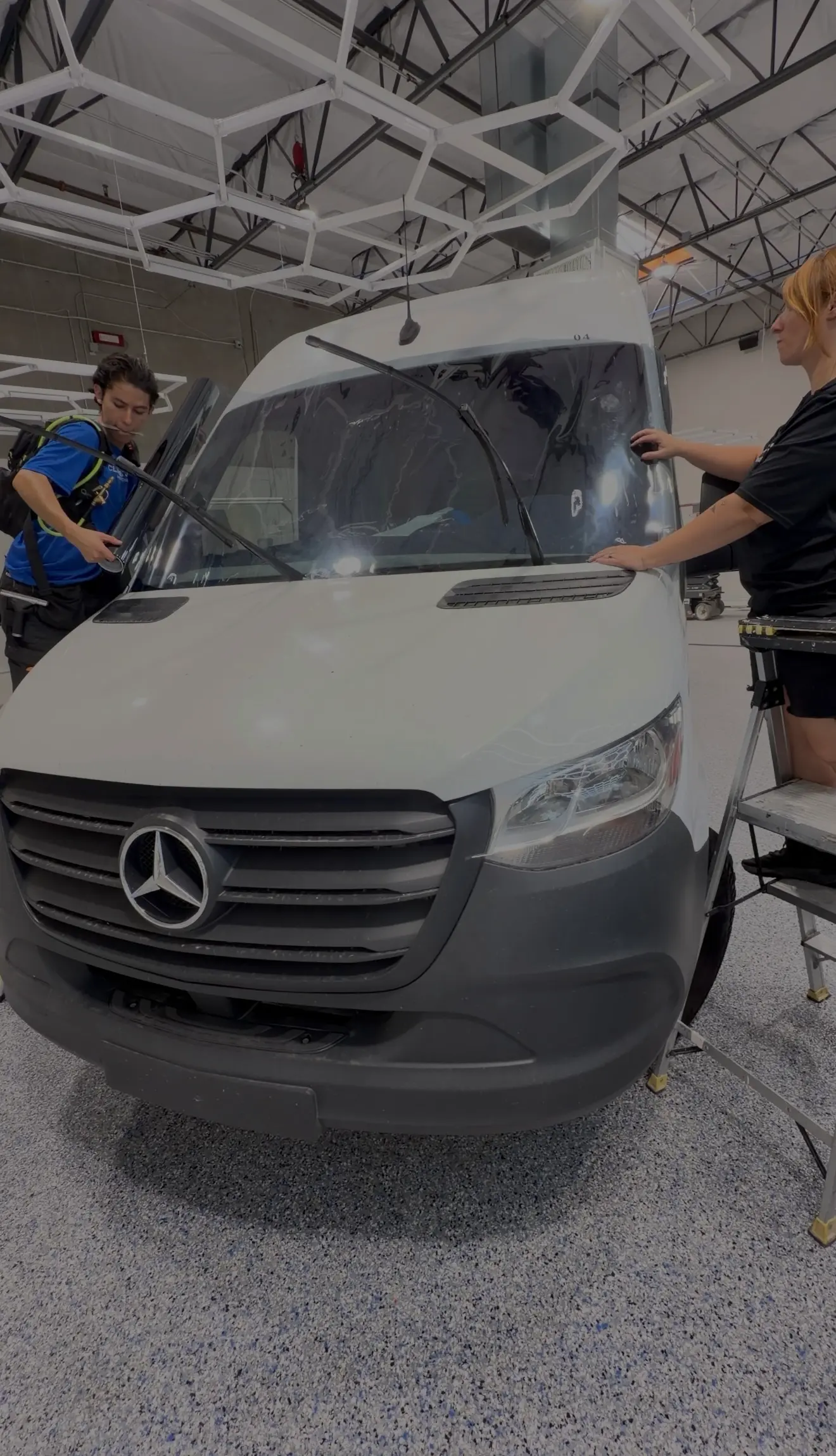
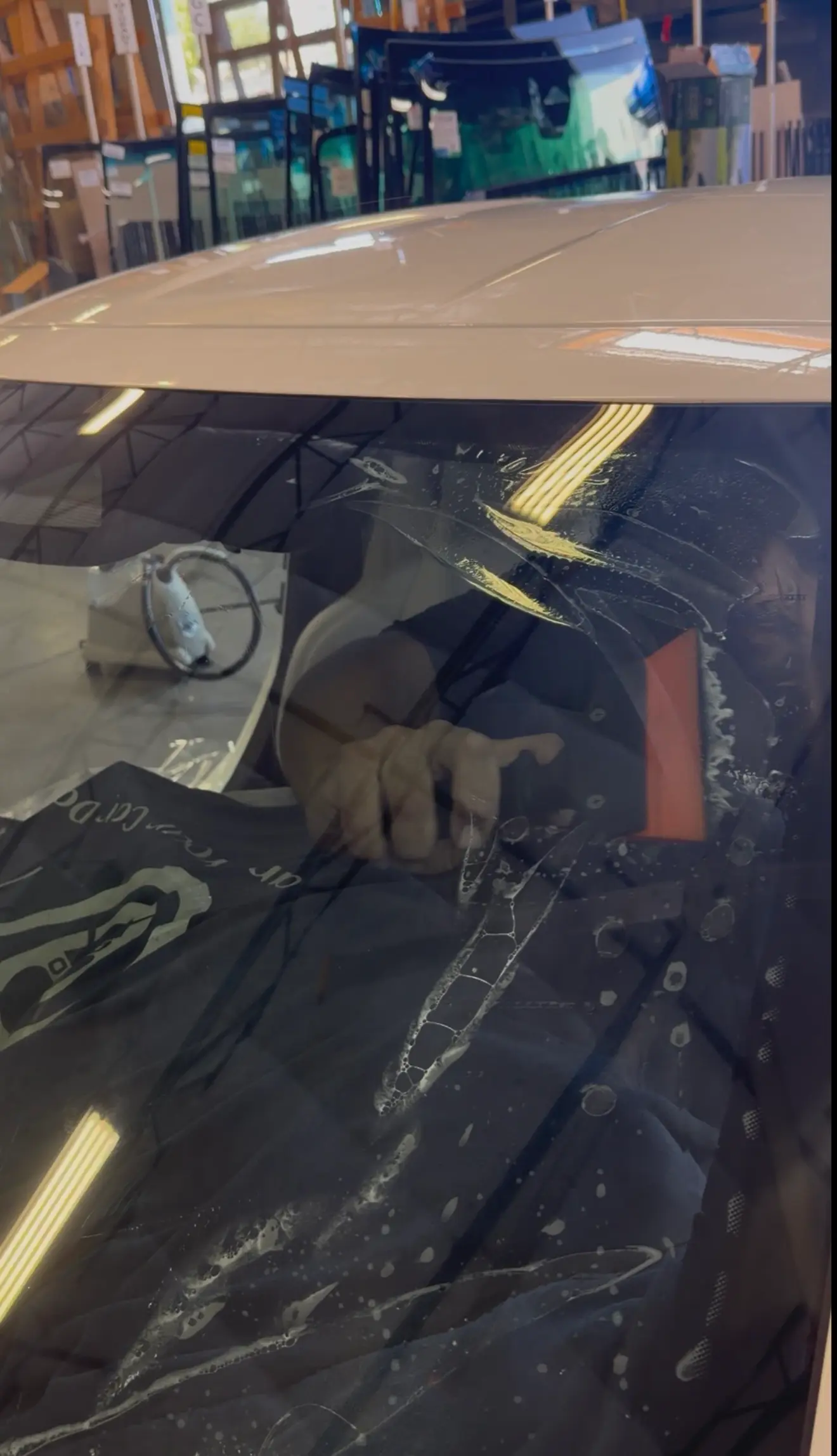
The right film protects your comfort. The right installer helps protect the technology already built into your vehicle.
What Matters Before Tinting Your Vehicle
Choosing window tint involves more than deciding how dark you want your windows.
Your vehicle’s built-in antennas, rear defroster, and existing window film all deserve consideration before installation.
An experienced installer should know which films are compatible with your vehicle, recognize potential issues with existing tint, and explain what to expect during installation and curing.
A quality tint job should improve your driving experience, not create problems you didn’t have before.
Better Comfort. No Compromises.
Window tint should make your driving experience better, not interfere with the features you rely on.
At Clear Cut Glass & Tint in Glendale, Arizona, our experienced installers use premium XPEL ceramic window films to help drivers stay cooler while protecting the functionality of their vehicles.
Ready for a cooler, more comfortable drive?