
Residential Window Tint for Homes in Phoenix and the West Valley
Reduce heat, glare and UV exposure with professionally installed window film for Arizona homes.
Why Arizona Homeowners Choose Residential Window Tint
Arizona homes can take on significant solar heat through their windows, especially in rooms with large expanses of glass or direct afternoon sun. Residential window film provides a way to improve indoor comfort and protect your home without replacing the existing windows.
Reduce Solar Heat
Window film can reduce the amount of solar energy entering through your glass, helping hot rooms stay more comfortable during Arizona’s warmer months.
Block Harmful UV Rays
Residential window film can block much of the UV radiation that contributes to fading of flooring, furniture, artwork and other interior surfaces.
Reduce Glare
Cut uncomfortable glare on televisions, computer screens and living spaces while still allowing natural light into your home.
Add Privacy
Certain residential window films can provide greater daytime privacy without requiring blinds or curtains to remain closed.
The right film depends on your existing glass, the direction your windows face and whether your priority is heat reduction, UV protection, glare control, privacy or a combination of these.
Does This Sound Like Your Home?
Residential window tint can solve several common problems caused by Arizona’s intense sunlight. If any of these sound familiar, window film may be worth considering.
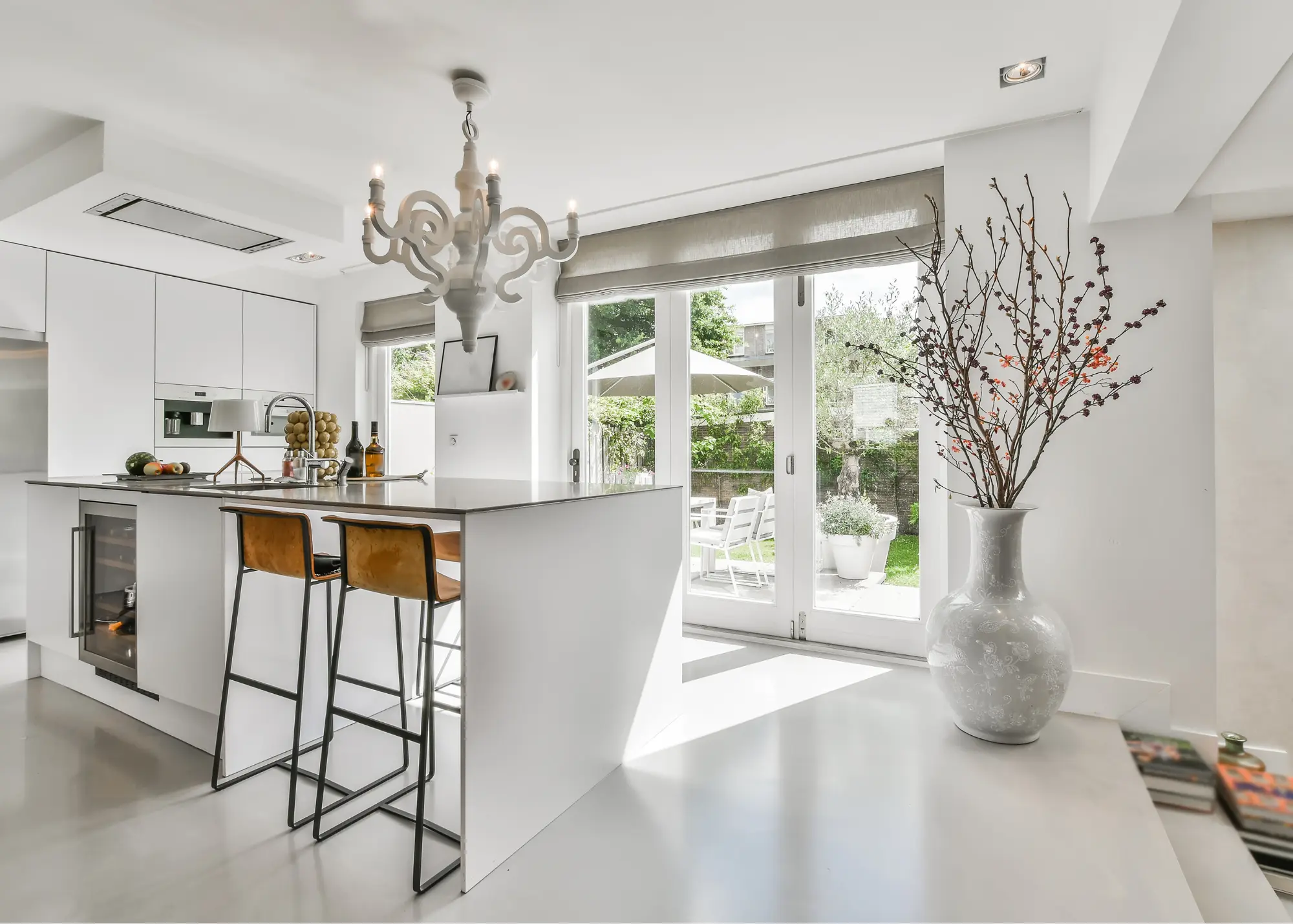
ROOMS THAT GET TOO HOT
West- and south-facing rooms can become noticeably warmer as solar heat enters through the glass.
FLOORS & FURNITURE ARE FADING
UV exposure and solar energy can contribute to fading of flooring, furniture, rugs and artwork.
GLARE MAKES SCREENS HARD TO SEE
Bright sunlight can make TVs, monitors and other screens difficult to use comfortably.
YOU WANT MORE DAYTIME PRIVACY
Certain window films can increase daytime privacy while still allowing natural light into your home.
Not sure which film solves your problem?
We evaluate your windows, sun exposure and goals before recommending a residential window film.
How Does Residential Window Tint Work?
Residential window film is applied directly to the interior surface of your existing glass. The film is designed to manage the solar energy entering your home, helping reduce heat, glare and UV exposure without requiring you to replace your windows.
Different films are designed for different priorities, so the right choice depends on the windows in your home, how much direct sunlight they receive and what you want to improve.
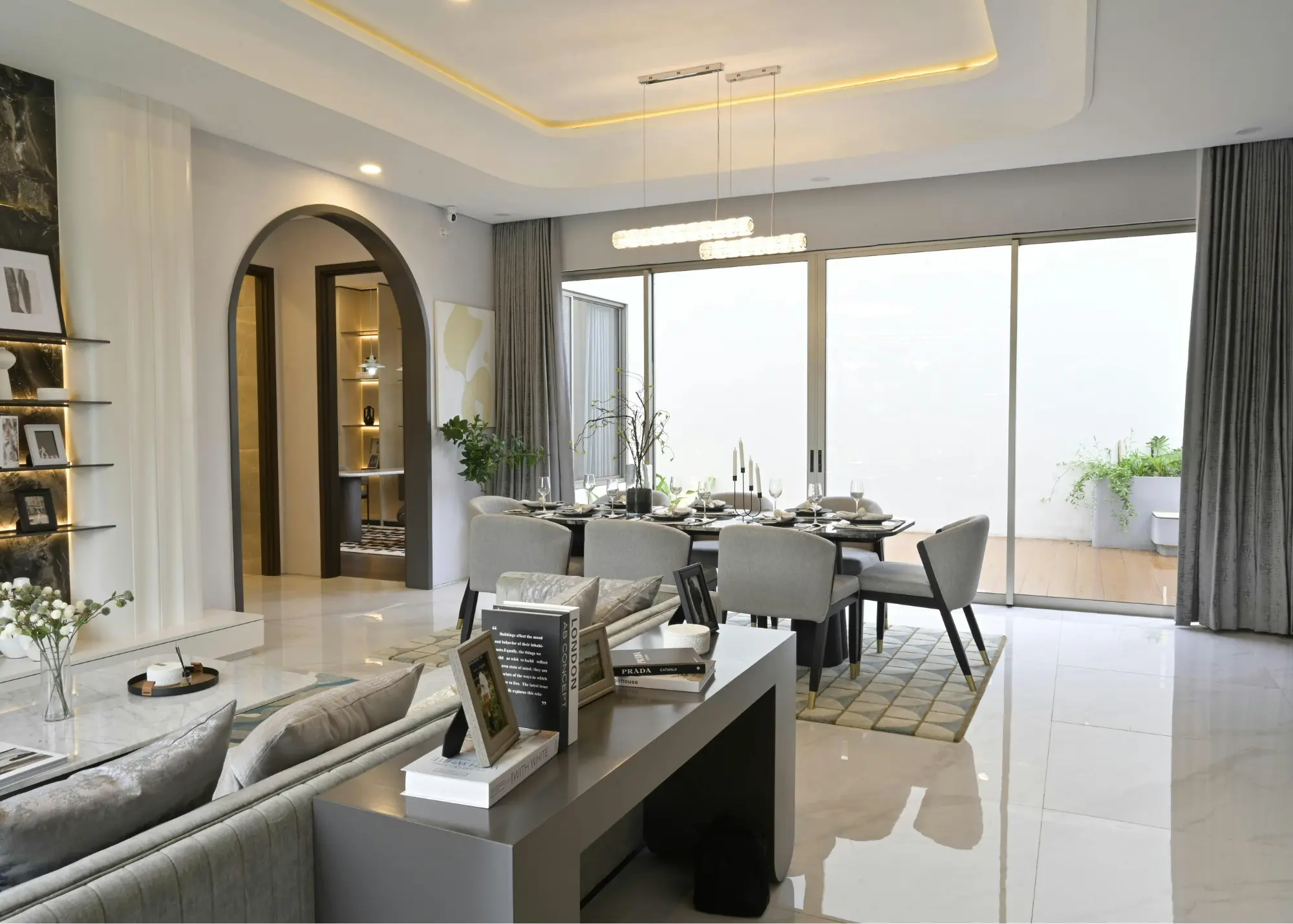
Solar Heat
Window film can reduce the amount of solar energy entering through the glass, helping rooms stay more comfortable during Arizona’s hottest months.
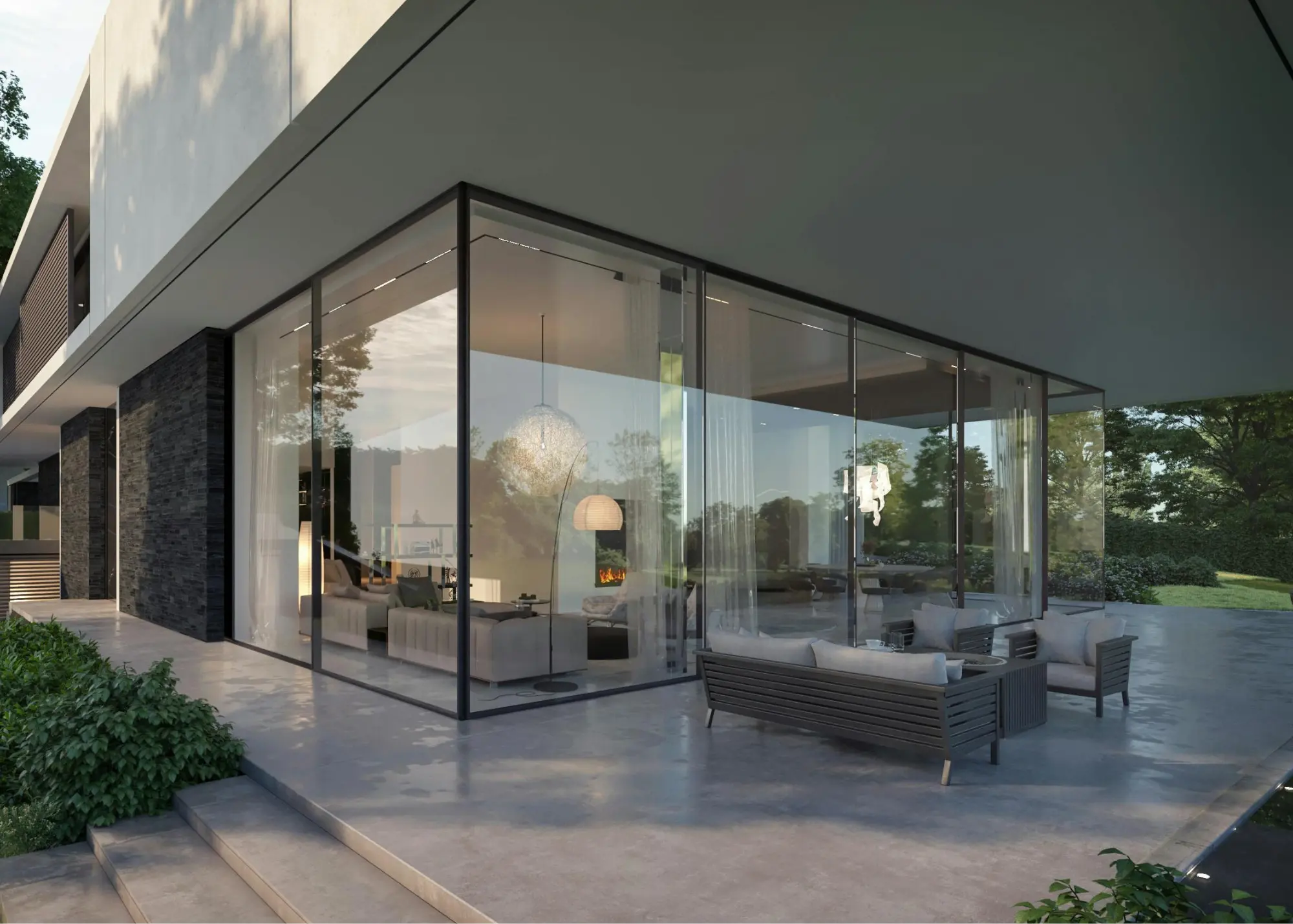
UV Exposure
Residential window films can block a significant amount of UV radiation that contributes to fading of flooring, furniture, artwork and other interior surfaces.
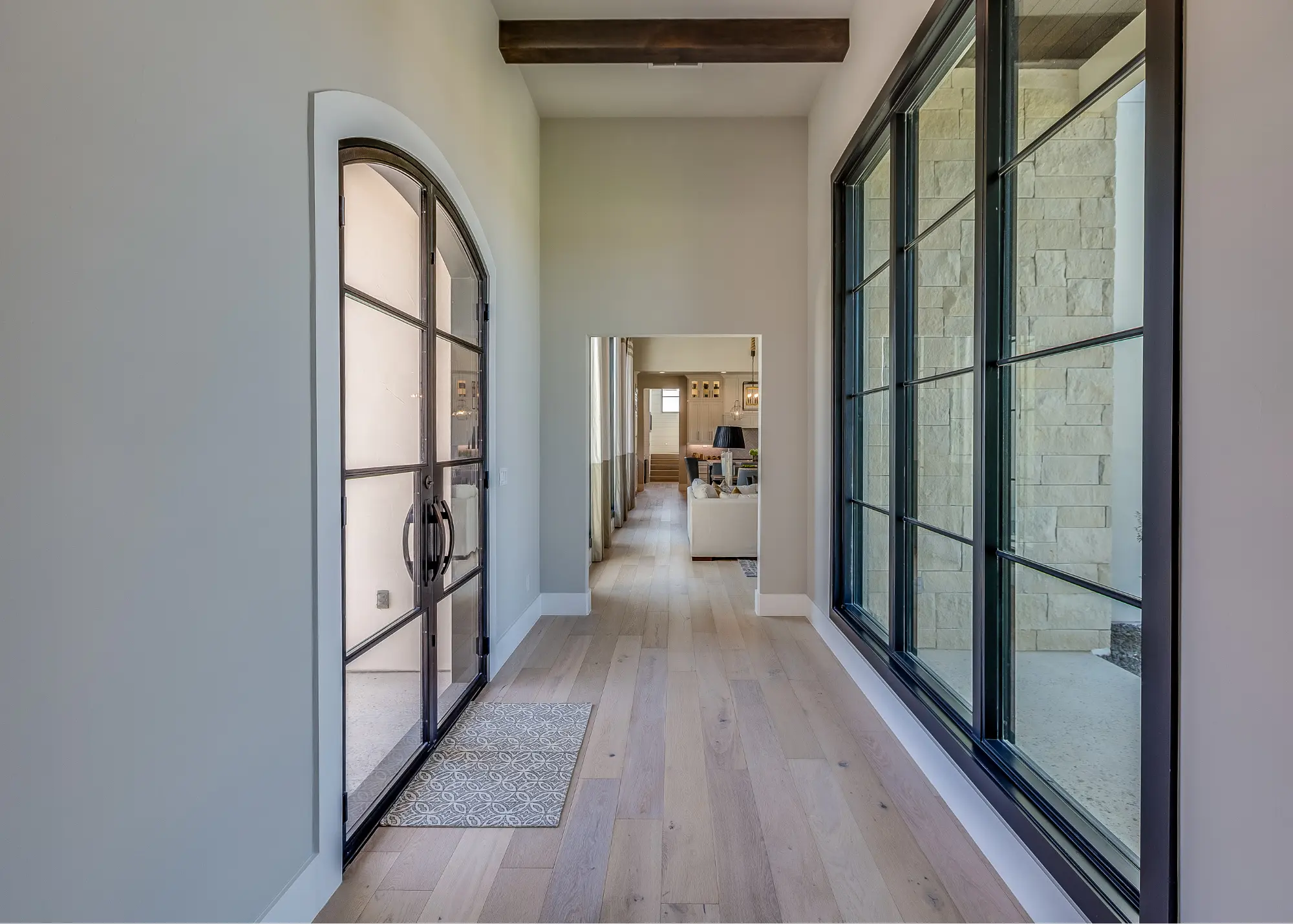
Glare
Film can reduce harsh sunlight and glare while allowing you to maintain natural light and visibility.
The Right Film Matters
Not every residential window film performs the same way, and darker doesn’t automatically mean better heat rejection. We help homeowners compare film options based on their glass, sun exposure, privacy goals and desired appearance.
Which Residential Window Film Is Right for Your Home?
Residential window film isn’t one-size-fits-all. Some homeowners want maximum heat reduction, while others care more about maintaining natural light, reducing glare or increasing daytime privacy. The right film depends on your windows and what you want to accomplish. Clear Cut installs residential window films from XPEL, 3M and MaxPro, giving options for different glass types, performance goals and budgets.
Solar Control Window Film
Tap HereSolar control film is designed to reduce the amount of solar energy entering through the glass, helping improve comfort in rooms that receive significant Arizona sun.
Best for: Hot rooms and windows with heavy sun exposure.
Low-Reflectivity / Neutral Window Film
Tap HereNeutral films can provide solar and UV protection while minimizing the reflective appearance some homeowners associate with traditional window tint.
Best for: Heat and UV protection with a more natural appearance
Privacy & Decorative Window Film
Tap HerePrivacy and decorative films can obscure views through the glass while allowing natural light into the space. Options range from frosted finishes to more decorative designs.
Best for: Bathrooms, entryways and areas where privacy is the priority
| How Does It Work? | |
|---|---|
| Solar Control Window Film | Solar control film is designed to reduce the amount of solar energy entering through the glass, helping improve comfort in rooms that receive significant Arizona sun.
Best for: Hot rooms and windows with heavy sun exposure |
| Low-Reflectivity / Neutral Window Film | Neutral films can provide solar and UV protection while minimizing the reflective appearance some homeowners associate with traditional window tint.
Best for: Heat and UV protection with a more natural appearance |
| Privacy & Decorative Window Film | Privacy and decorative films can obscure views through the glass while allowing natural light into the space. Options range from frosted finishes to more decorative designs.
Best for: Bathrooms, entryways and areas where privacy is the priority |
What About Dual-Pane or Low-E Windows?
The type of glass matters when choosing residential window film. Before recommending a film, we consider the window construction, existing coatings and sun exposure to determine which options are appropriate for the glass.
Is Residential Window Tint Safe for Dual-Pane and Low-E Windows?
Residential window tint can be installed on many dual-pane and energy-efficient windows, but the film must be compatible with the specific type of glass.
Different windows absorb and manage solar energy differently. Factors such as glass construction, existing Low-E coatings, window orientation and sun exposure can affect which window films are appropriate.
That’s why Clear Cut evaluates the existing glass before recommending residential window film. The goal is to select a film that provides the heat, glare, UV or privacy performance you want while being appropriate for the window itself.
Why the glass matters
Installing the wrong type of film on certain windows can increase thermal stress on the glass. Film selection should be based on the window construction, not simply how dark or reflective the homeowner wants the tint to look.
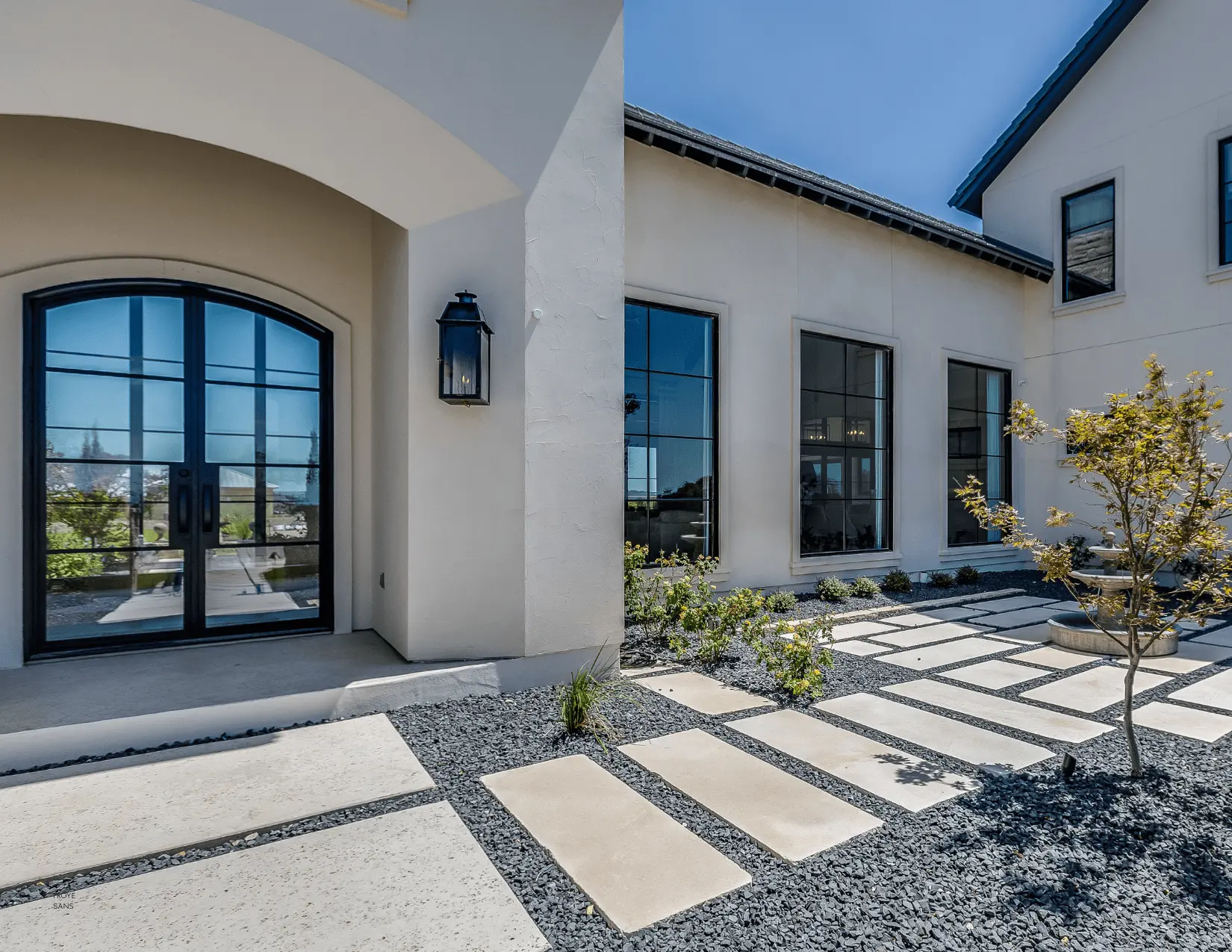
What to Expect
1. Evaluate Your Windows
We look at the glass, sun exposure and what you want to improve, such as heat, glare, UV protection or privacy.
2. Prepare & Install the Film
The glass is thoroughly cleaned and prepared before the window film is measured, fitted and professionally installed.
3. Final Inspection & Care Instructions
We inspect the finished installation and explain what to expect while the film cures and how to care for it afterward.
How Much Does Residential Window Tint Cost?
What affects your quote?
Window size & quantity • Film selected • Glass type • Accessibility • Existing film removal
The cost of residential window tint depends on the amount of glass being covered, the type of window film selected and the complexity of the installation.
Other factors can include window size, accessibility, existing film that needs to be removed and the type of glass in your home.
Clear Cut provides residential window tint quotes based on your specific windows and the performance you’re looking for, whether that’s heat reduction, UV protection, glare control, privacy or a combination of these.