
Not All Window Tint Blocks Heat The Same
Discover which window tint actually keeps Arizona vehicles cooler — and why darker doesn’t always mean better.
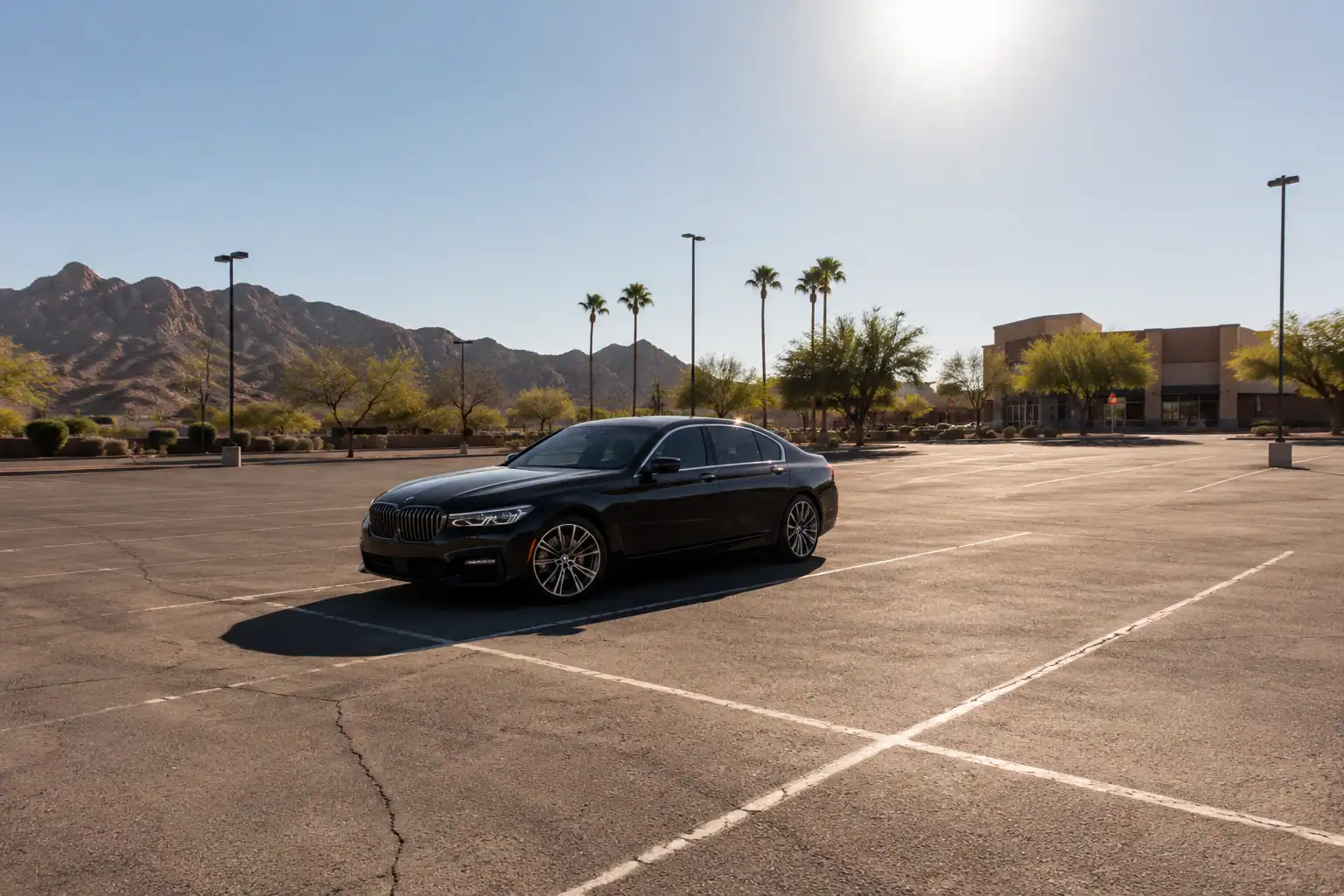
One of the biggest misconceptions about window tint is that darker automatically means cooler. It doesn’t. In reality, many lighter ceramic films can still block significant heat while maintaining better nighttime visibility and a cleaner appearance.
A cheap dark tint can still leave your vehicle feeling like an air fryer, while a high-quality ceramic film can block serious heat without the need for extremely dark window tint.
What Type Of Window Tint Blocks The Most Heat?
Ceramic window tint is widely considered the best option for heat rejection, especially in Arizona.
Unlike basic dyed films, ceramic tint is designed to reject more infrared energy without requiring an extremely dark shade. That means you can maintain better visibility while significantly improving cabin comfort.
Dyed Tint: Mostly improves appearance and glare reduction
Metallic Tint: Reflects some heat but can interfere with electronics and signals
Ceramic Tint: Best overall performance for heat rejection, UV protection, and comfort
Recommended Window Tint Options For Arizona Heat
Arizona drivers usually need more than just a dark-looking tint. The goal is reducing heat buildup while still maintaining visibility and driving comfort.
For most vehicles in Arizona, ceramic window tint delivers the best overall performance for:
- cabin comfort,
- glare reduction,
- UV protection,
- and overall heat rejection.
Many drivers choose lighter ceramic films because they can block substantial heat without creating an extremely dark appearance. Clear Cut offers ceramic automotive window tint for Arizona drivers who want strong heat rejection while maintaining the shade and visibility that work best for their vehicle.
For drivers dealing with daily commutes, uncovered parking, or long hours on the road, higher-performing ceramic tint often makes the biggest noticeable difference during Arizona summers. If you’re comparing performance, comfort, and long-term value, read our full breakdown of 👉🏼 ceramic vs standard window tint to understand the real differences between film technologies.
Window Tint Heat Rejection Comparison
Not all window tint performs the same when it comes to blocking Arizona heat. Here’s a quick comparison of the most common window tint types:
| TINT TYPE | HEAT REJECTION | UV PROTECTION | GLARE REDUCTION | SIGNAL INTERFERENCE | BEST FOR: |
|---|---|---|---|---|---|
| Dyed Tint | Basic | Moderate | Moderate | None | Budget appearance upgrades |
| Metallic Tint | Moderate | High | High | Possible | Older vehicles without sensitive electronics |
| Mid-level Ceramic Tint | High | Excellent | Excellent | None | Strong heat reduction and daily comfort |
| Premium Ceramic Tint | Very High | Excellent | Excellent | None | Maximum Arizona heat rejection |
The difference between basic dyed film and high-performance ceramic tint can be dramatic during Arizona summers. Even lighter ceramic films can significantly reduce cabin heat compared to darker low-performance tint.
Heat rejection and UV protection are measured differently. Here’s how window tint blocks harmful UV rays.
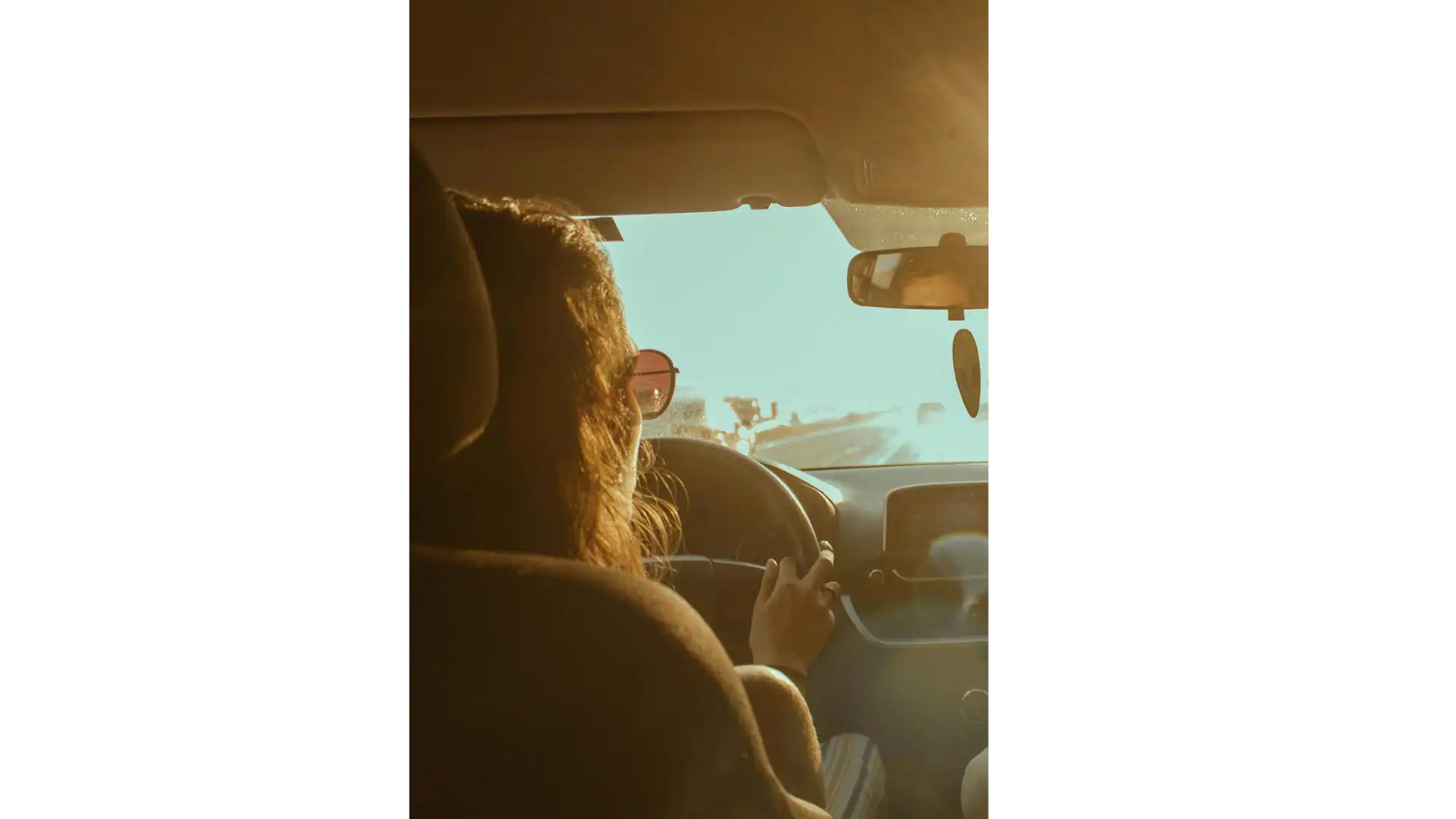
Why Ceramic Window Tint Feels Different In Arizona Summers
The difference with high-performance ceramic tint is something many Arizona drivers notice almost immediately.
Instead of your interior feeling overwhelmed by direct sunlight, ceramic film helps reject infrared energy entering the vehicle in the first place. That can make:
- daily commutes more comfortable,
- seats and steering wheels less intense,
- and your vehicle easier to cool down after sitting outside.
Many drivers also notice:
- reduced glare during bright afternoon driving,
- less eye strain,
- and a more comfortable cabin overall during long Arizona summers.
And because ceramic tint doesn’t rely on extreme darkness alone, drivers can often improve heat rejection without sacrificing as much visibility.
The best setup ultimately depends on:
-your vehicle,
-driving habits,
-visibility preferences,
-and how much heat reduction you want.
At Clear Cut Glass & Tint, we help Arizona drivers choose window tint that balances comfort, performance, appearance, and long-term durability — not just darkness.
Heat rejection matters, but so does who installs the film. Learn how to choose a window tint shop before making your decision.
Frequently Asked Questions About Heat-Blocking Window Tint
Stop Fighting Arizona Heat Every Time You Drive
Get a Ceramic Tint Quote or Schedule a Tint Consultation Below:


Leave A Comment