
How to Wash, Wax, and Care for Paint Protection Film (PPF)

You invested in protecting your paint. Now, how do you protect the protection?
Can you take your car through a car wash? Is waxing still necessary? And what happens if you use the wrong cleaning product?
These are common questions after getting paint protection film (PPF), especially for Arizona drivers dealing with desert dust, intense heat, and hard water.
The good news? Keeping PPF looking its best doesn’t require a complicated routine. It just requires knowing what works, what doesn’t, and what could damage your film.
Here’s what you need to know.
Can You Wash, Wax, or Polish a Car with PPF?
Yes, you can wash and, in many cases, wax a vehicle with paint protection film (PPF). Polishing, however, requires more caution.
Not every product that’s safe for automotive paint is safe for PPF
Washing
Use a pH-neutral car shampoo and clean microfiber materials.
Waxing
If the product is approved for your specific film. Some waxes contain ingredients that can affect its appearance.
Polishing
Generally best avoided unless specifically approved by the film manufacturer. Abrasive compounds can damage the protective topcoat.
One important distinction: Gloss, matte, and satin PPF don’t always have the same care requirements. Using the wrong product can change the finish you’re trying to preserve.
How to Wash a Car with PPF Without Damaging It
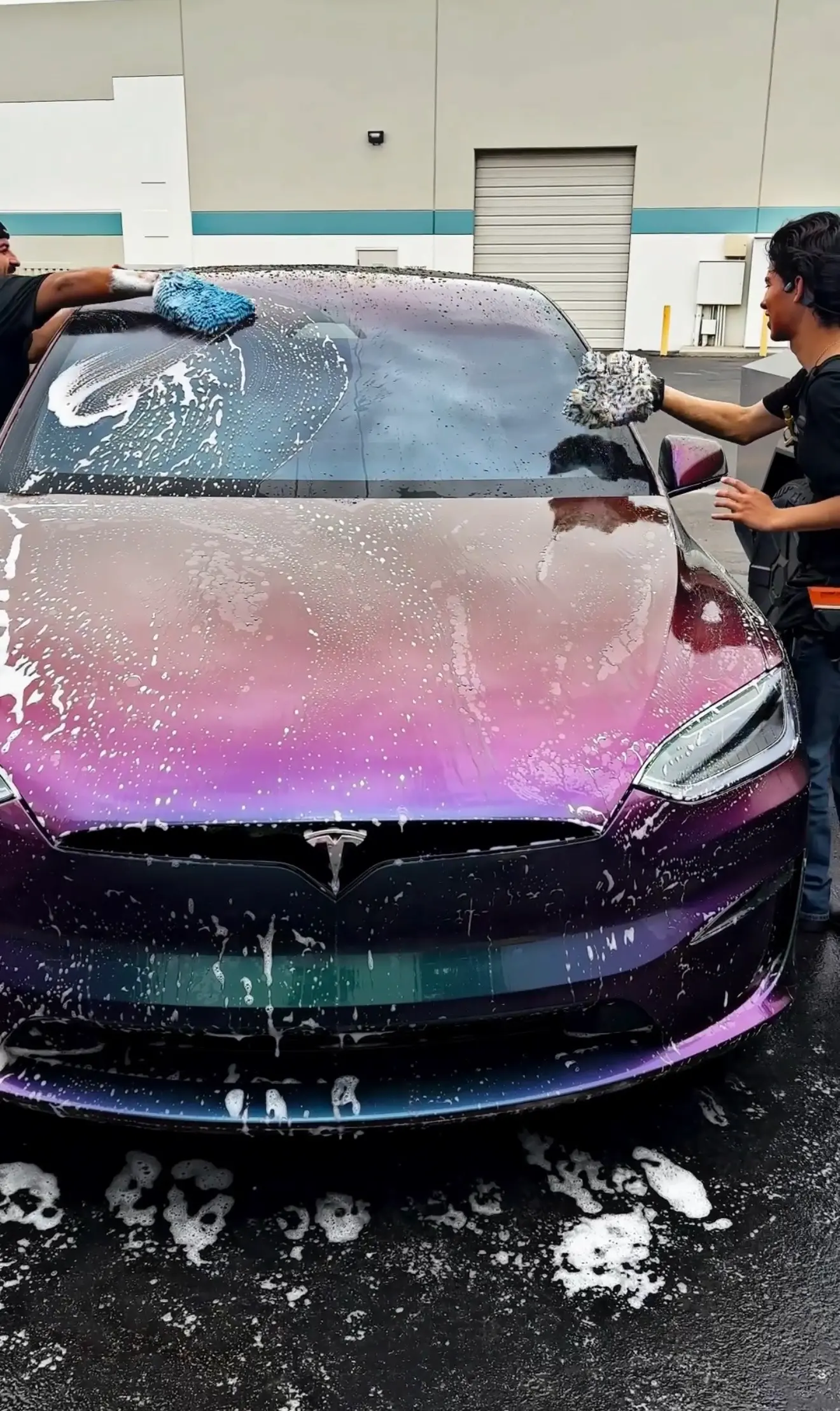
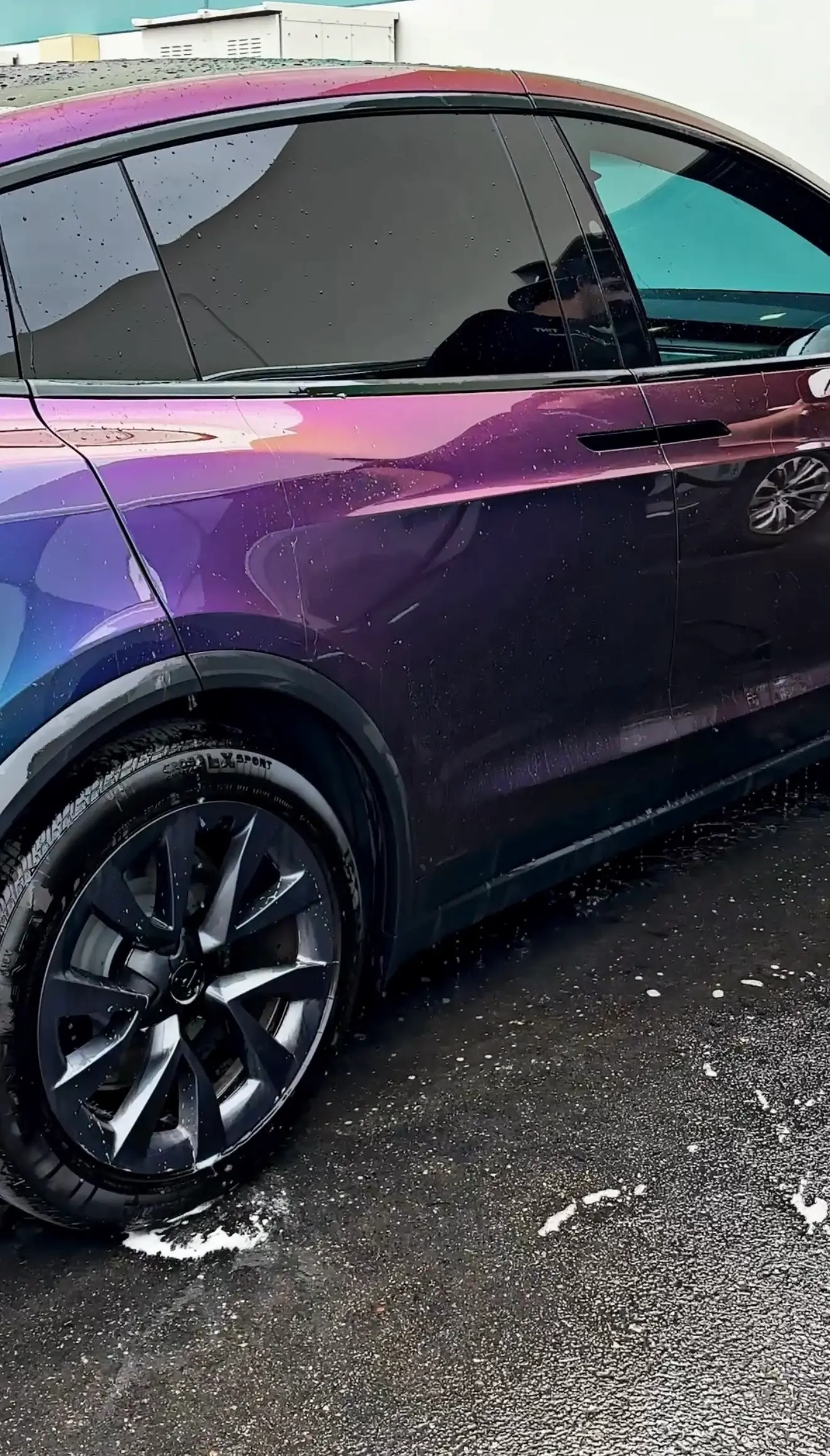
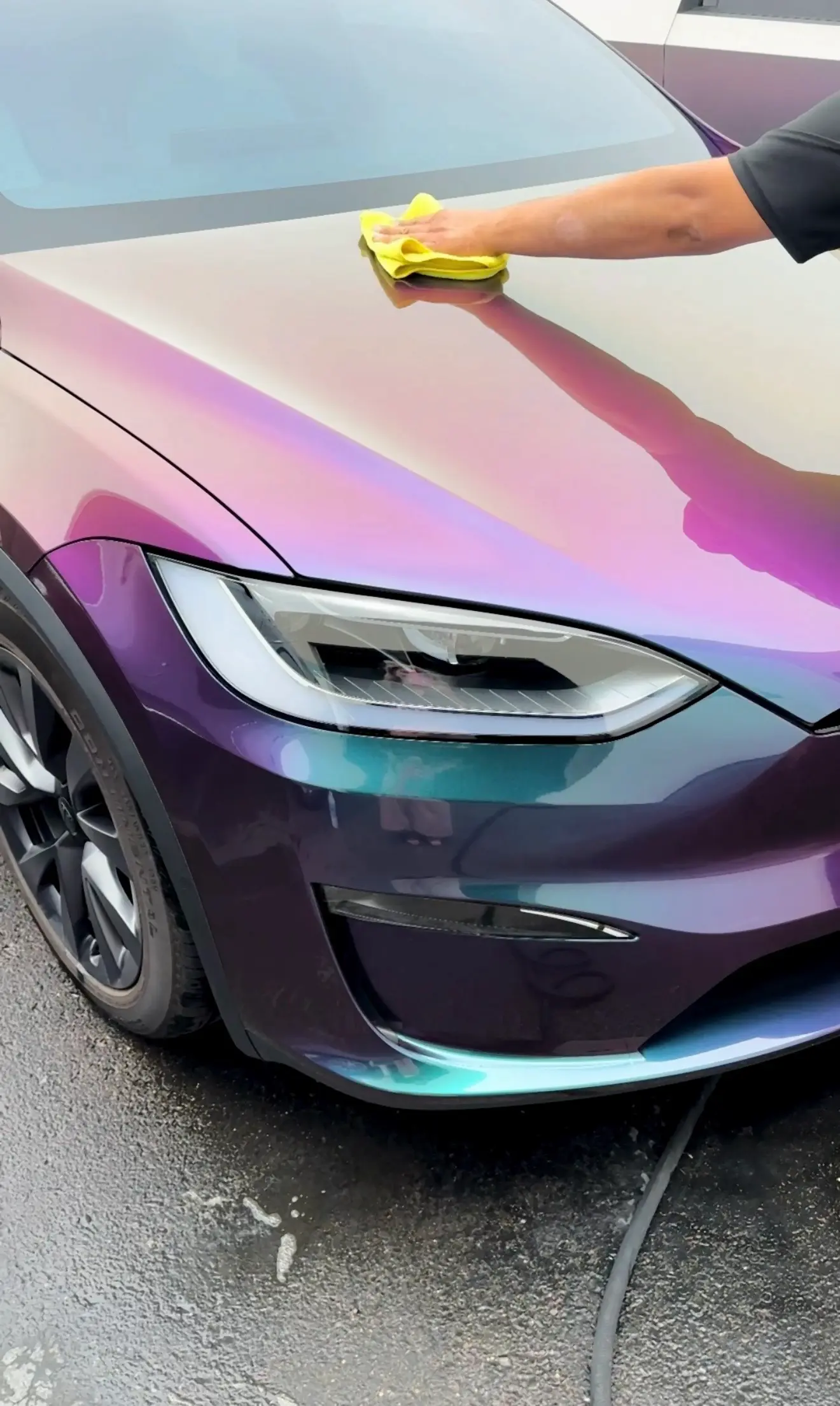
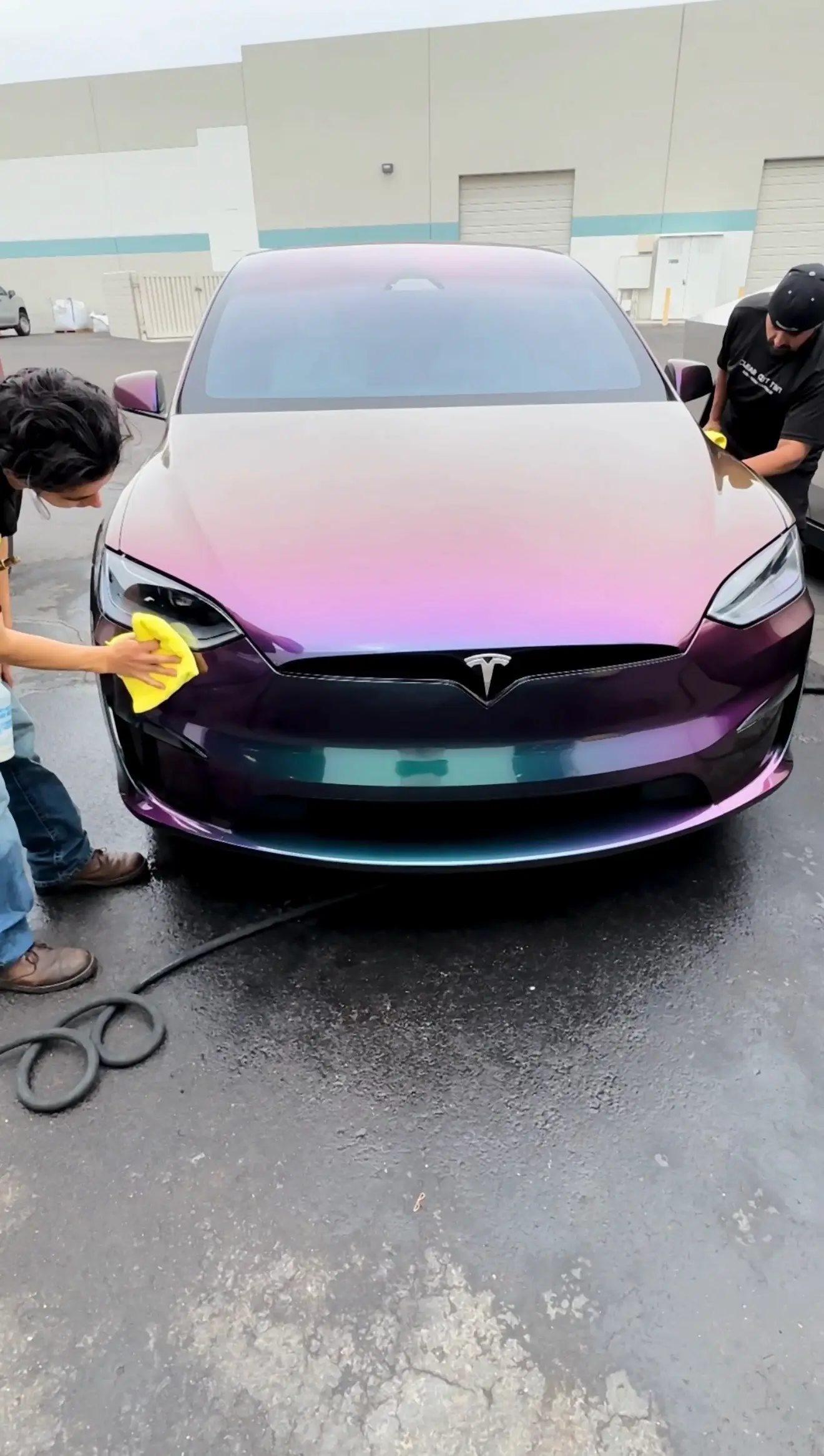
Washing a vehicle with paint protection film is simple, but a few precautions can help prevent scratches, water spots, and lifting edges.
What about pressure washers? They can be used with some films when following manufacturer guidelines, but never direct concentrated high-pressure water at PPF edges or seams.
Clear Cut Tip: Arizona’s combination of dust, heat, and mineral-heavy water makes rinsing before washing and drying afterward especially important.
Can You Wax or Polish Paint Protection Film?
You can wax some types of PPF, but polishing is a different story. Using the wrong product can damage the film’s protective topcoat or change its appearance.
What’s safe?
✓ PPF-compatible waxes and sealants: Use products approved for your specific film.
✓ PPF maintenance sprays: These can help maintain the film’s appearance and make cleaning easier.
✓. Self-healing technology: Many premium films, including XPEL ULTIMATE PLUS, can recover from minor surface scratches with warmth.
What should you avoid?
✗. Abrasive polishes and rubbing compounds unless specifically approved by the film manufacturer.
✗. Harsh chemicals and cleaners not intended for PPF.
✗. Traditional waxes or gloss-enhancing products on matte or satin film, which may alter the finish.
Clear Cut Tip: Before trying to polish out a scratch, have an experienced installer take a look. What appears to be damaged paint may only be damage to the film, and attempting to fix it yourself could make things worse.
How Arizona’s Climate Affects Your PPF
Arizona’s intense sunshine, desert dust, and hard water can make keeping your vehicle clean a challenge. While quality paint protection film is designed to withstand outdoor exposure, a few habits can help maintain its appearance.
- Desert dust: Never wipe dust off dry PPF. Rinse first to avoid dragging abrasive particles across the surface.
- Intense heat: Wash during cooler hours or in the shade to prevent soap and water from drying too quickly.
- Hard water: Dry your vehicle promptly after washing to help prevent mineral deposits and stubborn water spots.
- Bugs and bird droppings: Remove contaminants promptly using a PPF-safe cleaner to reduce the risk of staining.
Clear Cut Tip: If you regularly drive through Glendale, Peoria, Surprise, or the Phoenix West Valley, keeping your PPF clean is one of the simplest ways to maintain its appearance. You don’t need an elaborate detailing routine. Consistency matters more.
Protect Your PPF Investment with the Right Care
Paint protection film is designed to protect your vehicle, not complicate how you care for it. With the right cleaning products and a few simple habits, you can help keep your PPF looking its best for years.
And when something doesn’t look right? Don’t guess. Ask someone who works with PPF every day.
At Clear Cut Glass & Tint in Glendale, Arizona, our experienced installers help vehicle owners throughout the Phoenix West Valley protect their investment, from choosing the right PPF coverage to understanding how to maintain it.
Considering PPF for your vehicle? The film matters. So does the person installing it.