PPF vs Ceramic Coating: What’s the Difference? Choose One or Both?

Stop pretending they’re interchangeable.

One takes the hit.
One makes it look pretty and easier to clean.

Most people buy the wrong one because they think they do the same job. They don’t.

PPF vs Ceramic Coating:

They solve different problems, not the same one.
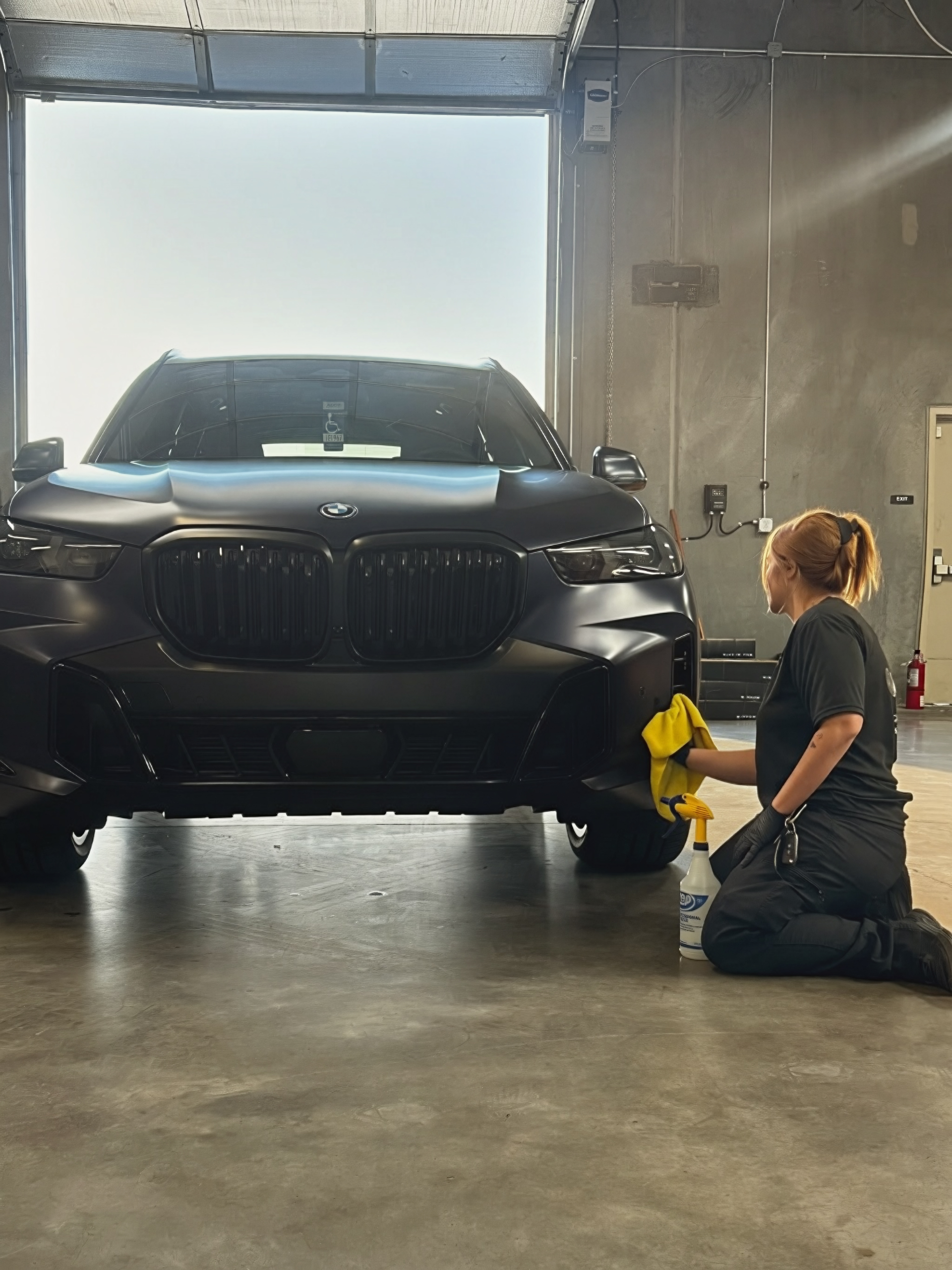
Technician applying ceramic coating to matte black BMW inside Clear Cut Glass and Tint shop in Glendale Arizona

Side-by-Side Breakdown


Feature PPF Ceramic Coating
Protection Type Physical Shield Chemical Bond
Rock Chips Yes No
UV/ Fading Some Strong
Gloss Neutral High-Gloss
Maintenance Moderate Easy
Cost Higher Lower
Lifespan 5-10 years 2-5 years

What Does PPF do?

Stops rock chips, scratches, road debris

Self-healing with heat


Best for: Front end, High-impact zones, Arizona freeway driving

This is NOT cosmetic protection

What Does Ceramic Coating Do?

Hydrophobic (water beads off)

UV protection (huge in AZ)

Makes washing stupid easy

Boosts gloss like crazy

But let’s not lie to people:
It does NOT stop rock chips


Many Tesla owners combine PPF and ceramic coating for maximum protection and easier maintenance.
👉 Learn more about Tesla PPF options.

Do All PPFs Come Pre-Coated?

Some PPF brands include a built-in hydrophobic topcoat, but others don’t- or that top layer wears down over time.A standalone ceramic coat refreshes or boosts that performance

So even if your PPF had a slick layer, ceramic coating extends and enhances it.

Who Benefits Most from Adding Ceramic Coating?

  • Daily drivers: Less time washing, less debris sticking
  • Luxury/exotic cars: Max shine, max ease, max protection
  • Anyone in harsh environments: Salt, bugs, bird bombs, sun

It’s especially worth it if you want your car to look like it’s always freshly detailed—with way less effort.
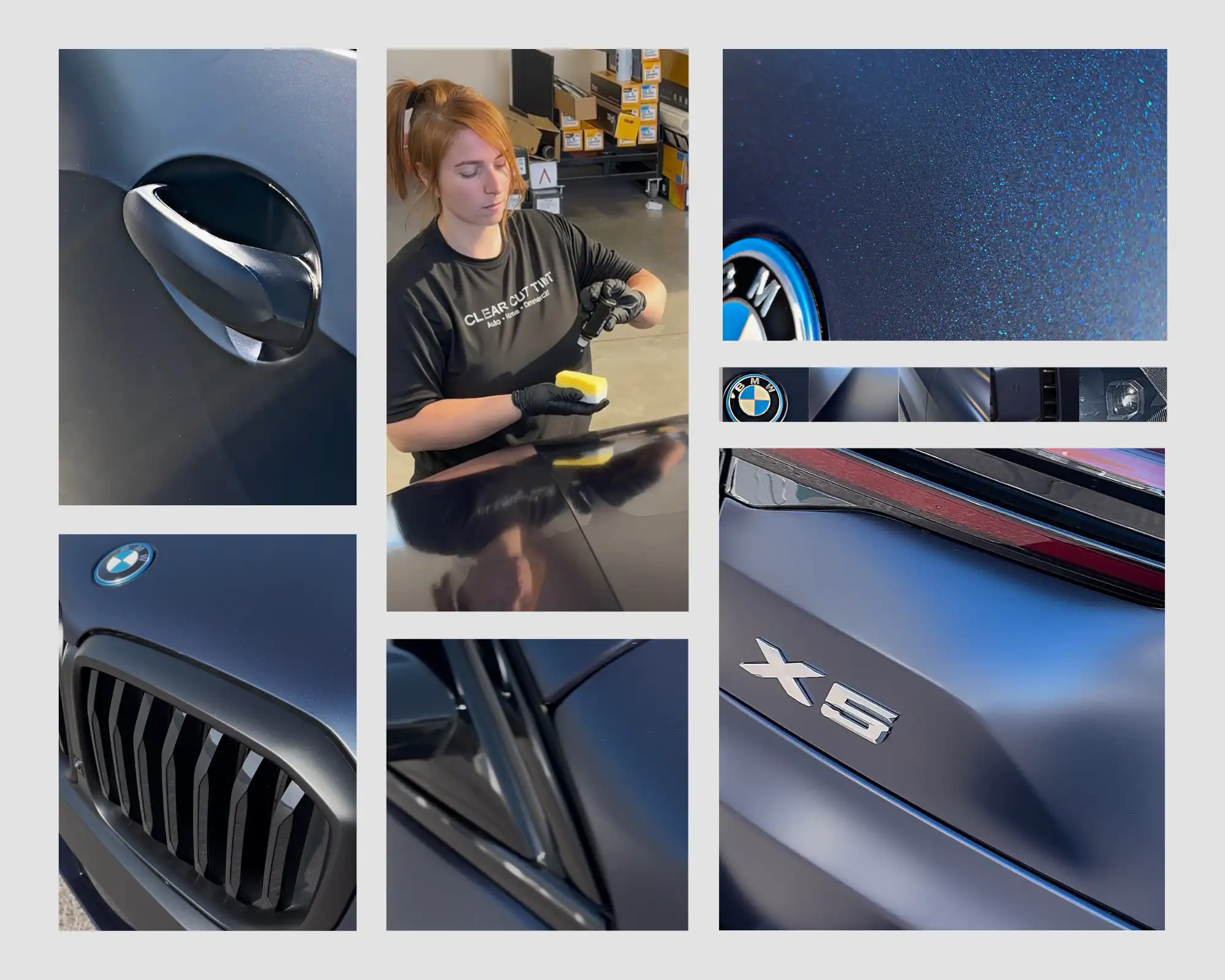
BMW X5 with matte (stealth) paint protection film and ceramic coating applied by Clear Cut Glass and Tint in Glendale Arizona

Do You Need Ceramic Coating Over PPF? 

Short answer: Yes, if you want the best setup.

Here’s why:

  • PPF handles impact
  • Ceramic coating adds:
    • Slickness
    • Easier cleaning
    • Extra UV protection
    • Better appearance

This combo is considered the “stacked protection” strategy.

Basic Protection

For: “I just want it to look better”

  • Ceramic coating for gloss and easier cleaning
  • Protects against UV, dirt, and contaminants

MOST POPULAR

Smart protection 

For: “I want protection where it actually matters”

  • PPF on high-impact areas (front end)
  • Ceramic coating across entire vehicle
  • Real protection where damage happens

Ultimate Protection

For: “I’m not repainting this car. Ever.”

  • Full vehicle PPF coverage
  • Ceramic coating over entire surface
  • Maximum protection + long-term durability

*What We Recommend in Arizona

In Phoenix heat + freeway driving:

  • Front-end PPF is non-negotiable
  • Ceramic coating helps fight:
    • UV damage
    • oxidation
    • dust buildup
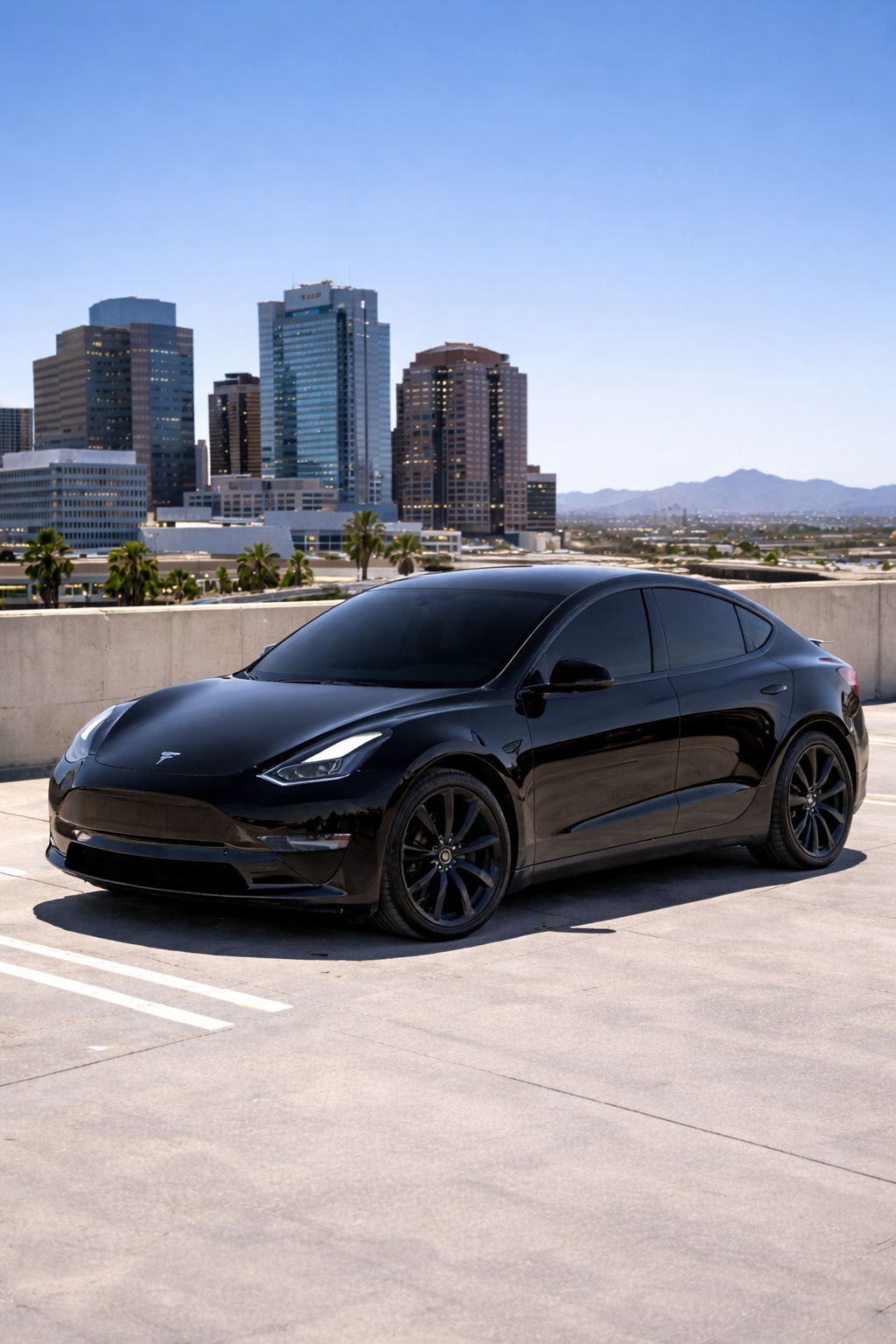
Tesla Model Y with premium ceramic window tint on a downtown Phoenix rooftop in bright midday sun

If you’re comparing options, you may also want to explore our full PPF coverage options and ceramic coating services.

Frequently Asked Questions About PPF and Ceramic Coating

Paint Protection Film (PPF) and ceramic coating serve different purposes.
PPF is a physical barrier that protects against rock chips, scratches, and road debris, while ceramic coating enhances gloss, repels water, and protects against UV damage.

If you’re looking for real impact protection, PPF is the better option. If you want easier maintenance and a high-gloss finish, ceramic coating is the better choice. Many vehicle owners choose both for complete protection.

Yes, and it’s one of the best ways to protect your vehicle.
Ceramic coating can be applied over PPF to add a hydrophobic layer, improve gloss, and make the surface easier to clean.

PPF handles physical damage like rock chips, while ceramic coating enhances performance and appearance.

No. Ceramic coating does not prevent rock chips or physical damage.
It is a thin chemical layer designed to protect against contaminants, UV exposure, and water spotting.

For protection against rock chips, paint protection film (PPF) is required.

PPF typically lasts between 5 to 10 years depending on the quality and maintenance.
Ceramic coatings generally last between 2 to 5 years, depending on the product and environment.

Combining both can extend the overall protection and performance of your vehicle’s finish.

Yes, especially if you want to preserve your vehicle’s paint and avoid costly repairs.
PPF protects against physical damage like rock chips, while ceramic coating protects against environmental damage and reduces maintenance.

Together, they provide long-term protection, better appearance, and higher resale value.

In Arizona, the combination of PPF and ceramic coating is often the best solution.
PPF protects against rock chips from freeway driving, while ceramic coating helps reduce UV damage, heat effects, and dust buildup.

This combination is ideal for maintaining both protection and appearance in harsh desert conditions.

Still not sure which option is right for your vehicle? Get a quote and we’ll help you choose the best level of protection based on how you drive and what you want to protect.


*Include vehicle make, model, and year in the message box below.

By checking the box below and clicking SUBMIT, you consent to receive SMS text messages from Clear Cut Glass & Tint regarding your quote request, appointment reminders, service updates, and promotional offers.  Message fBy checking the box below and clicking SUBMIT, you consent to receive SMS text messages from Clear Cut Glass & Tint regarding your quote request, appointment reminders, service updates, and promotional offers.  Message frequency varies.  Message and data rates may apply.  Consent is not a condition of purchase.  Reply STOP or END to opt out at any time. 

By submitting this form, you agree to our Privacy Policy and Terms & Conditions.