
FIRST THINGS FIRST…
YES. THAT TINY BLACK SPECK IS REALLY THE SEED.
Don’t lose it. Your monster is currently experiencing some significant size limitations.
These are fresh Venus flytrap seeds (Dionaea muscipula). They’re tiny, slow-growing and a little particular about how they’re raised. Give them the right start, though, and that microscopic speck can eventually become a bug-eating little menace.
SPECIMEN NOTES
GOOD NEWS.
NO COLD STRATIFICATION NEEDED.
Your seed is fresh and ready to plant.
DO NOT BURY IT.
Venus flytrap seeds need light to germinate.
Dionaea muscipula
Carnivorous.
Tiny. Slightly demanding.
PREPARE YOUR LAB…
BEFORE YOU UNLEASH YOUR MONSTER
Venus flytraps aren’t difficult once you know their rules. FLIP THE CARD TO KNOW WHY →
01
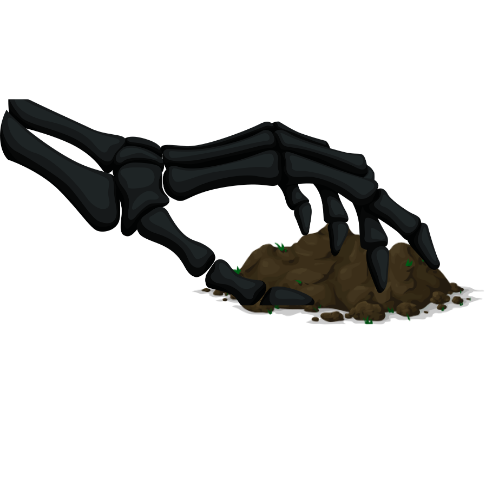
THE RIGHT SOILWHY SO PICKY?
Regular potting soil usually contains nutrients/fertilizer. Venus flytraps evolved in nutrient-poor soil, so those added nutrients can damage their roots.
02
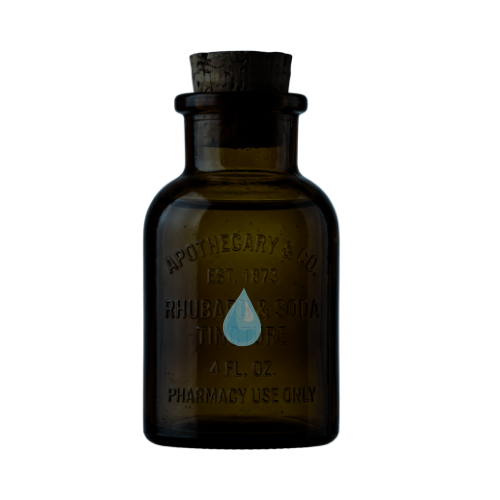
THE RIGHT WATERWHAT'S WRONG WITH TAP WATER?
Tap water can contain dissolved minerals and salts that build up in the soil. Distilled, RO or rainwater avoids that buildup.
03
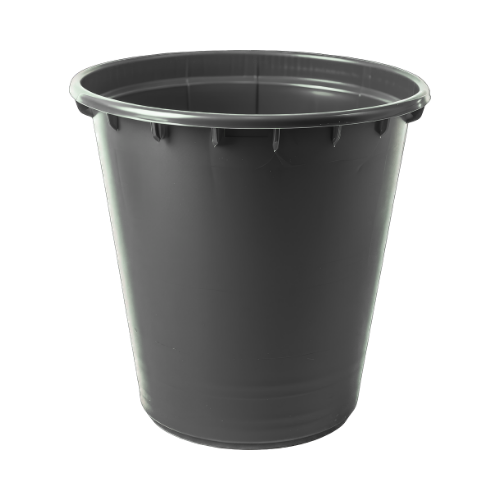
A SMALL CONTAINERWHY PLASTIC?
A small plastic pot with drainage keeps the soil moist without trapping everything in a sealed container. Avoid terracotta because minerals can leach from it.

04
LOTS OF LIGHTWHY SO MUCH LIGHT?
| Venus flytraps are sun-loving plants, and light is especially important during germination. That’s also why the seed stays on top of the soil instead of being buried. |
THE WAITING GAME…
WHAT HAPPENS NEXT?
You planted it. Now comes the difficult part: leaving the tiny thing alone long enough to become a monster.
01
PLANTED
STAGE ONE
JUST PLANTED
Your seed may look like it’s doing absolutely nothing. That’s normal. Beneath that tiny black shell, moisture and light are creating the conditions it needs to germinate.
Keep the growing medium consistently moist, give it plenty of bright light, and resist the urge to poke, bury or relocate the seed.
YOUR JOB: Keep it moist, keep it bright, and leave it alone.
02
SPROUTING
STAGE TWO
IT’S ALIVE!
This is the part that requires patience. Fresh Venus flytrap seeds commonly take several weeks to germinate, and they won’t all necessarily sprout at the same time.
When yours does appear, don’t expect a miniature version of the plant on the postcard. The first seedling will be very small and delicate, with tiny green leaves emerging from the soil.
YOUR JOB: Keep doing exactly what you’ve been doing. Moist soil, plenty of light, and no fertilizer.
!! DON’T PANIC. !!
No sprout yet doesn’t automatically mean you killed it. Give your monster time.
03
BABY MONSTER
STAGE THREE
TINY TRAPS APPEAR
Once your seedling gets established, it will begin producing the tiny traps that make a Venus flytrap unmistakable.
Don’t expect those first traps to start taking down houseflies. A young plant is still building its root system and using light to make most of the energy it needs.
YOUR JOB: Keep the light strong, the soil moist and the water mineral-free. Let the little monster concentrate on getting bigger.
!! HANDS OFF THE TRAPS!!
Don’t trigger them just to watch them close. Closing a trap uses energy your very small plant could put toward growing.
04
GROWING UP
STAGE FOUR
YOUR MONSTER IS GROWING
As your Venus flytrap gets larger, its traps will become more recognizable and capable of catching insects on their own. Keep giving it strong light, mineral-free water and the same nutrient-free growing medium.
You don’t need to constantly feed it. Venus flytraps get most of their energy from light. Insects provide additional nutrients, and a healthy plant grown outdoors can usually handle the hunting itself.
YOUR JOB: Keep up the basics, give it room to grow and learn what mature Venus flytrap care looks like as your monster gets bigger.
!! PLEASE STOP POKING IT!!
Resist the urge to make the traps close for entertainment. Each trap can only open and close a limited number of times before it eventually dies back.
MONSTER EMERGENCY?
IS MY MONSTER DEAD?
Probably not. Venus flytraps can be slow, tiny and occasionally dramatic. Here’s what to check before declaring a botanical tragedy.
GOOD THINGS COME TO THOSE WHO WAIT…
Happy growing from your friends at Clear Cut Glass & Tint.